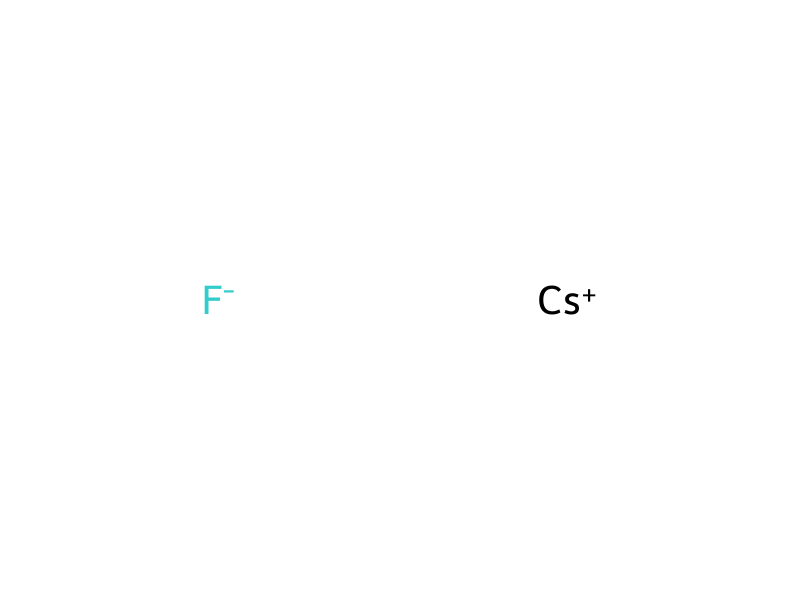
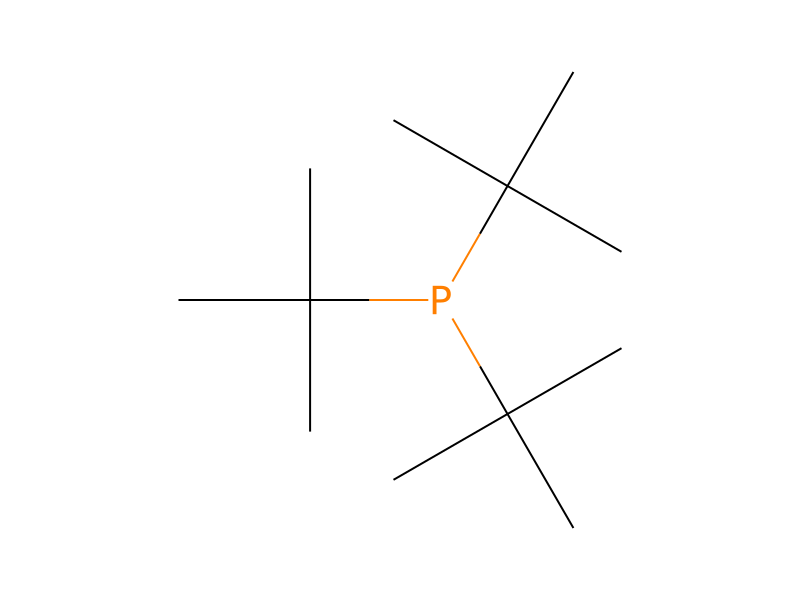
To a solution of 3-bromoaniline, 25, (17.2 g, 0.10 mol), 3,5-dimethylphenylboronic acid (16.5 g, 0.11 mol), CsF (50 g, 0.33 mol), Pd2(dba)3 (0.92 g, 5 mmol) in 50 mL anhydrous THF was added a solution of P(t-Bu)3 (0.49 g, 2.4 mmol) in 3 mL of THF. The exothermal reaction was cooled using a water bath. The solution mixture was stirred at room temperature for 2 hours and concentrated in vacuo. The residue was dissolved in methylene chloride and washed with water. The combined organic layers were dried over MgSO4 and solvents were evaporated. Purification of the orange residue by flash chromatography (100:10:1 hexanes:ethyl acetate:triethylamine) afforded 26 (20.0 g, 99%) as a brown oil. 1H-NMR δ=2.30 (s, 6H), 3.53 (bs, 2H), 6.50 (dd, J=2.5 Hz, 7.1 Hz, 1H), 6.77 (d, J=1.6 Hz, 2.2 Hz, 1H), 6.91 (s, 1H), 6.94 (dd, J=1.2 Hz, 2.5 Hz, 1H), 7.10-7.15 (m, 3H). 13C-NMR δ=22.2, 115.4, 119.3, 125.7, 129.5, 130.2, 138.7, 141.8, 143.3, 145.7. Anal. calcd. for C14H15N: C, 85.28; H, 7.61; N, 7.11. Found: C, 85.61; H, 8.01; N, 7.00.