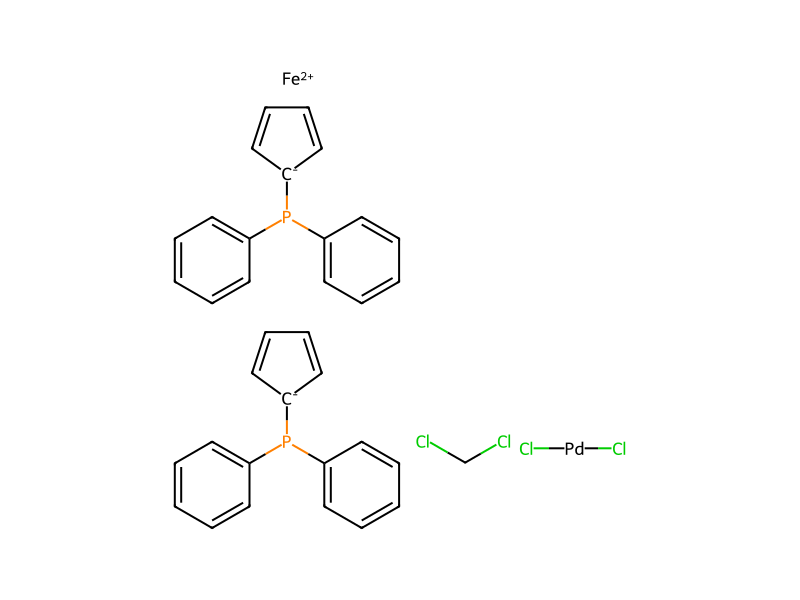
To a solution of methyl 4,6-dichloronicotinate (3.00 g, 14.56 mmol) and trimethylboroxine (1.097 g, 8.74 mmol) in 1,4-dioxane (70 mL) and water (7 mL) was added cesium carbonate (14.23 g, 43.7 mmol). The mixture was degassed with argon over a period of 5 minutes. PdCl2(dppf)-CH2Cl2 adduct (1.189 g, 1.456 mmol) was added and the reaction mixture was heated to 110° C. for 16 h. The reaction mixture was cooled to room temperature, diluted with water (100 mL) and extracted with ethyl acetate (200 mL). The organic phase was washed with brine (2×100 mL), dried over Na2SO4, and concentrated under reduced pressure. The residue obtained was purified by silica gel chromatography using ethyl acetate-petroleum ether mixture to afford methyl 4-chloro-6-methylnicotinate (700 mg, 2.87 mmol, 20% yield) as a yellow liquid. LC/MS (ESI) m/e 186.0 [(M+H)+, calcd for C8H9ClNO2 185.6]; LC/MS retention time (Method I) tR=1.79 min.