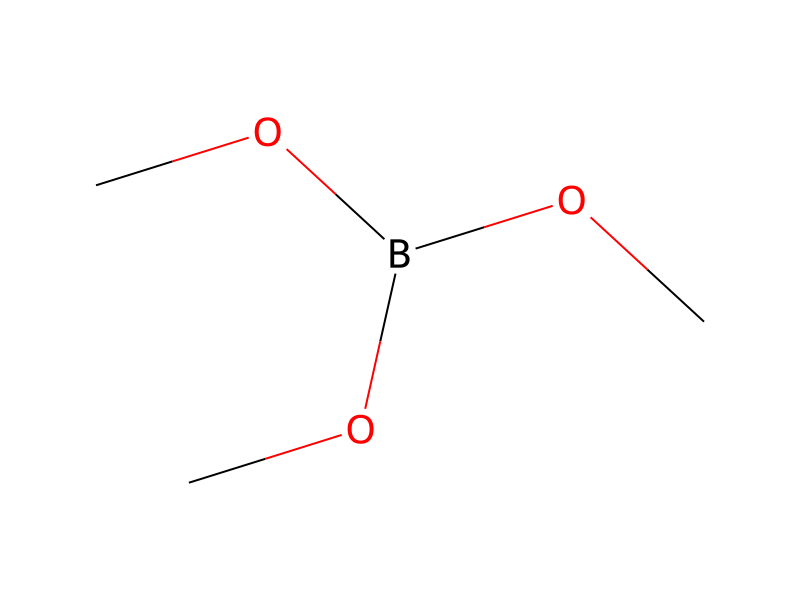
To a cooled (−78° C.) solution of 6-bromo-2-trifluoromethyl-imidazo[1,2-a]pyridine p (5.66 mmol, 1.50 g) and trimethyl borate (1.2 equiv., 6.79 mmol, 0.706 g) in diethyl ether (7 ml) under N2-atmosphere was added dropwise butyllithium (1.2 equiv., 6.79 mmol, 2.72 ml of a solution 2.5 M BuLi in hexane) over a period of 10 minutes. After 30 min, the solution was warmed to −20° C. and 2N hydrochloric acid (7.5 ml) was added dropwise. The mixture was partitioned between water (50 ml) and diethyl ether (50 ml). The aqueous layer was isolated and the pH of the solution was adjusted to pH=7 by the addition of sodium bicarbonate. The aqueous solution was extracted with ethyl acetate. The combined organic layers were dried (MgSO4) and evaporated under reduced pressure affording 2-trifluoromethyl-imidazo[1,2-a]pyridine-6-boronic acid q (0.23 g, yield=11.4%, purity (LC)=67%).