Hydrochloric Acid → Tert-butyl 4-[3-(propylamino)pyridin-2-yl]piperazine-1-carboxylate
Reaktionsgleichung

C([BH3-])#N.[Na+].[CH3:5][C:6]([CH3:24])([O:8][C:9]([N:11]1[CH2:16][CH2:15][N:14]([C:17]2[C:22]([NH2:23])=[CH:21][CH:20]=[CH:19][N:18]=2)[CH2:13][CH2:12]1)=[O:10])[CH3:7].[CH3:25][CH2:26][CH:27]=O.Cl.[OH-].[NH4+]>ClCCl.CO>[CH3:7][C:6]([CH3:24])([O:8][C:9]([N:11]1[CH2:12][CH2:13][N:14]([C:17]2[C:22]([NH:23][CH2:25][CH2:26][CH3:27])=[CH:21][CH:20]=[CH:19][N:18]=2)[CH2:15][CH2:16]1)=[O:10])[CH3:5]Komponenten
Edukt 5

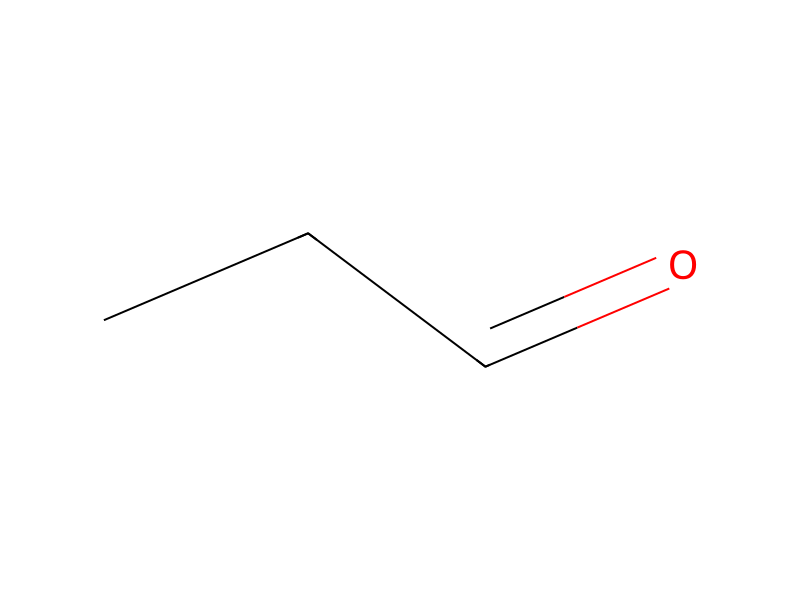



Produkt 1

Reagenzien, Katalysatoren, Lösungsmittel 2


Versuchsvorschrift
Sodium cyanoborohydride (0.31 g) is added to a cold solution of 1-[1,1dimethylethoxycarbonyl]-4-[3-amino-2-pyridinyl]piperazine (International Publication No. WO 88/08424, 2.8 g), propional (0.87 g), and methanol (15 ml). After the exotherm has subsided, the reaction is stirred at 20°-25° overnight. The reaction is acidified (pH 2) with aqueous hydrochloride and then diluted with dichloromethane. The pH is adjusted with aqueous ammonium hydroxide (pH 8), and the phases are separated. The organic phase is dried over sodium sulfate, and concentrated under reduced pressure to a crude product which is dissolved in diethyl ether and allowed to crystallize at -5°. The solid is identified as starting material. The mother liquor is concentrated in vacuo to give the title compound.
Aufarbeitung
- customthe phases are separated
- dry with materialThe organic phase is dried over sodium sulfate
- concentrationconcentrated under reduced pressure to a crude product which
- dissolutionis dissolved in diethyl ether
- customto crystallize at -5°
- concentrationThe mother liquor is concentrated in vacuo
Quellen und Nachweise
- ORD-Eintrag
- ord-d2688b79dc114d39b78fb6c840a195ea
- Quelldatensatz
- uspto-grants-1997_02
- Patentnummer
- US05599930
Notizen zur Reaktion
Wird geladen…