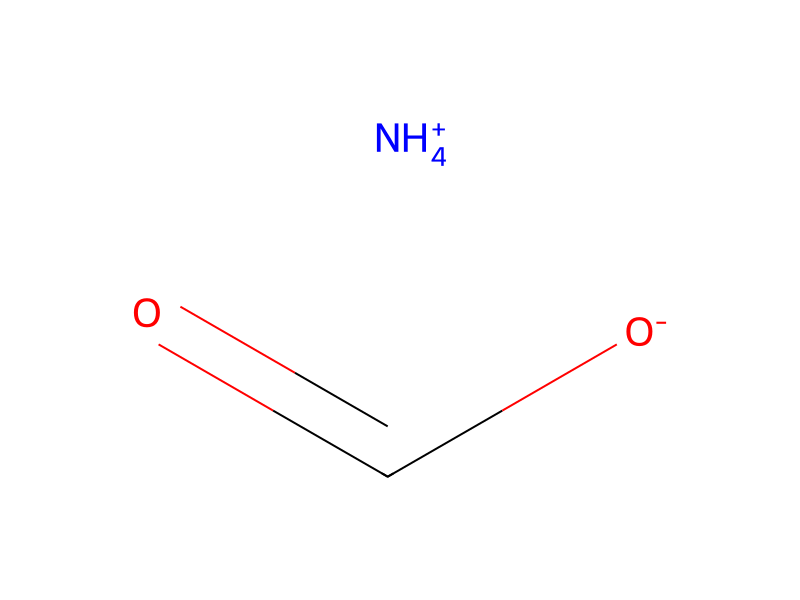
726 mg (5.0 mmol) of 4′-cyanoacetophenone (MW: 145.16), 946 mg (15.0 mmol) of ammonium formate (MW: 63.06) and 5.90 mg (0.01 mmol, S/C=500) of the iridium catalyst Ir-7 (MW: 590.13) were introduced in a 20-mL Schlenk tube, and subjected to argon-gas replacement. To this, 5 mL of dehydrated methanol and 286 μL (5.0 mmol) of acetic acid were added and stirred while heating at 60° C. for 3 hr. After distillation of the solvent, a saturated sodium hydrogen carbonate solution was added, then a product was extracted with methylene chloride, the organic layer was washed with water, and the product was dried with sodium sulfate. The drying agent was removed by filtration and the methylene chloride was distilled away to give a crude product DL-1-(4′-cyanophenyl)ethylamine. Its conversion rate was 100% based on NMR measurement, with 95% of DL-1-(4′-cyanophenyl)ethylamine, 1% of 1-(4′-cyanophenyl)ethanol, and 4% of other by-products. Since no compound in which reduction of cyano groups occurred was generated, we confirmed that reductive amination reaction was carried out in a functional-group-selective manner.