Tricyclohexylphosphine → [5-(Oxetan-3-yl)pyridin-3-yl]boronic acid
HRID 1521598
Reaktionsgleichung

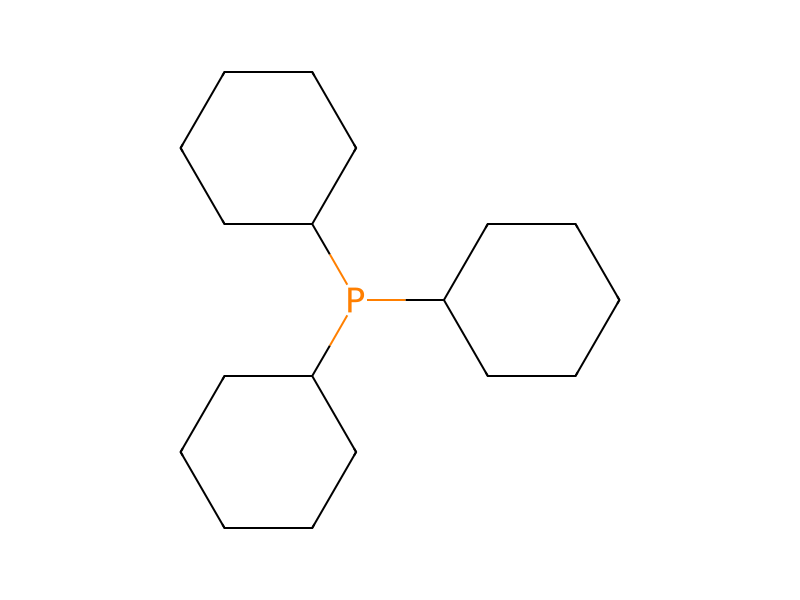
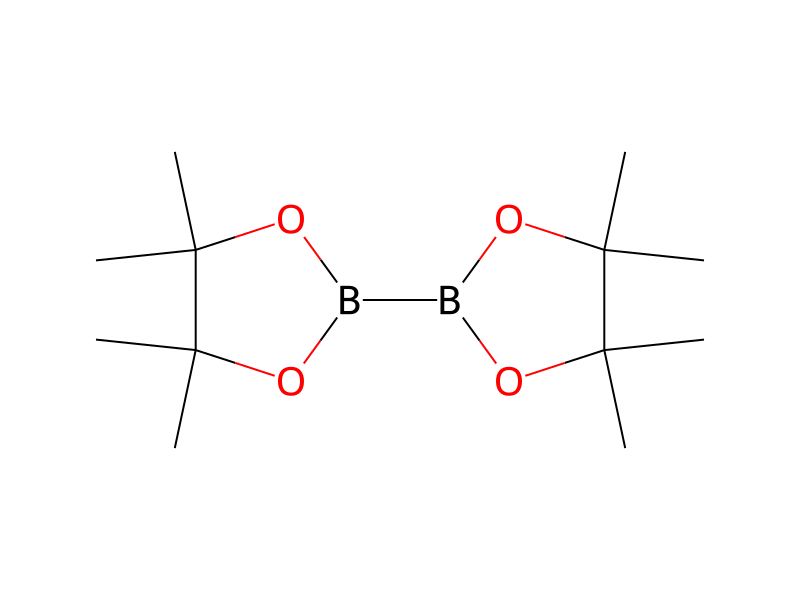
Br[C:2]1[CH:3]=[N:4][CH:5]=[C:6]([CH:8]2[CH2:11][O:10][CH2:9]2)[CH:7]=1.[B:12]1(B2OC(C)(C)C(C)(C)O2)[O:16]C(C)(C)C(C)(C)[O:13]1.C1(P(C2CCCCC2)C2CCCCC2)CCCCC1.C([O-])(=O)C.[K+]>O1CCOCC1.C1C=CC(/C=C/C(/C=C/C2C=CC=CC=2)=O)=CC=1.C1C=CC(/C=C/C(/C=C/C2C=CC=CC=2)=O)=CC=1.C1C=CC(/C=C/C(/C=C/C2C=CC=CC=2)=O)=CC=1.[Pd].[Pd]>[O:10]1[CH2:11][CH:8]([C:6]2[CH:7]=[C:2]([B:12]([OH:16])[OH:13])[CH:3]=[N:4][CH:5]=2)[CH2:9]1Komponenten
7
Edukt 4


Produkt 1

Reagenzien, Katalysatoren, Lösungsmittel 2

