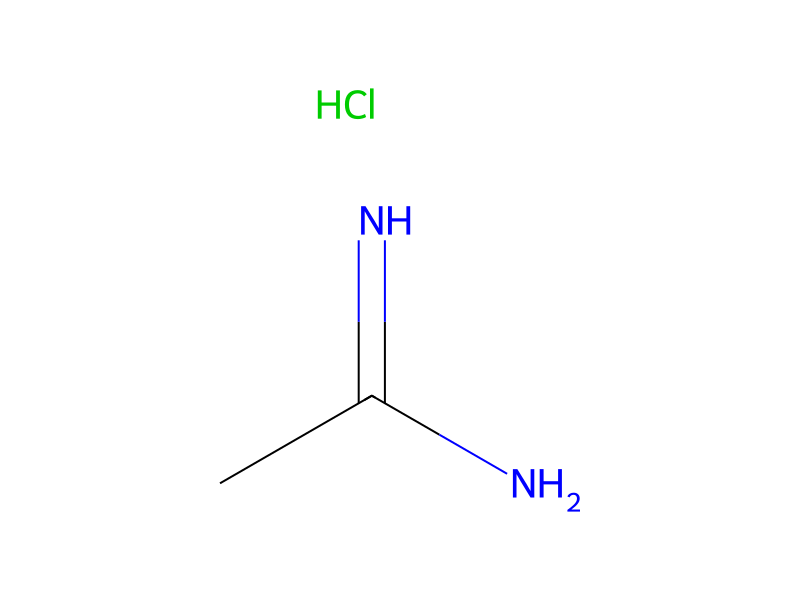
[Br:1][C:2]1[CH:15]=[C:14]2[C:5]([O:6][CH2:7][CH2:8][N:9]3[C:13]2=[N:12][C:11](I)=[CH:10]3)=[CH:4][C:3]=1[CH3:17].Cl.[C:19]([NH2:22])(=[NH:21])[CH3:20].[CH3:23][C:24]1([CH3:64])C2C(=C(P(C3C=CC=CC=3)C3C=CC=CC=3)C=CC=2)OC2C(P(C3C=CC=CC=3)C3C=CC=CC=3)=CC=CC1=2.Cl.[CH:66]([NH:69]N)(C)C>CN(C=O)C.CC([O-])=O.CC([O-])=O.[Pd+2].CC(O)=O>[Br:1][C:2]1[CH:15]=[C:14]2[C:5]([O:6][CH2:7][CH2:8][N:9]3[C:13]2=[N:12][C:11]([C:66]2[N:69]([CH:24]([CH3:64])[CH3:23])[N:22]=[C:19]([CH3:20])[N:21]=2)=[CH:10]3)=[CH:4][C:3]=1[CH3:17]A mixture of 13-bromo-4-iodo-12-methyl-9-oxa-3,6-diazatricyclo[8.4.0.02,6]tetradeca-1(14),2,4,10,12-pentaene (5.00 g, 12.3 mmol), acetamidine hydrochloride (1.29 g, 13.6 mmol), Pd(OAc)2 (277 mg, 1.24 mmol), and Xantphos (1.43 g, 2.47 mmol) in DMF (20.0 mL) and TEA (5.0 mL) was heated at 40° C. under CO (1 atm) for 3 hrs. To above cooled solution was added isopropylhydrazine hydrochloride (1.64 g, 14.8 mmol) and AcOH (20.0 mL). The resulting mixture was heated to 65° C. and stirred at this temperature for 1 hr. At the end of reaction, solvents were removed and the residue was poured into water (2000 mL). The solid was collected by filtration and washed with acetone to give the desired product (4.90 g, 85% yield) as a pale yellow solid. 1H NMR (500 MHz, DMSO-d6) δ 8.48 (s, 1H), 7.91 (s, 1H), 7.08 (s, 1H), 5.67 (m, 1H), 4.52-4.49 (m, 4H), 2.33 (s, 3H), 2.25 (s, 3H), 1.46 (s, 6H). LCMS m/z [M+H]+ 402.2.