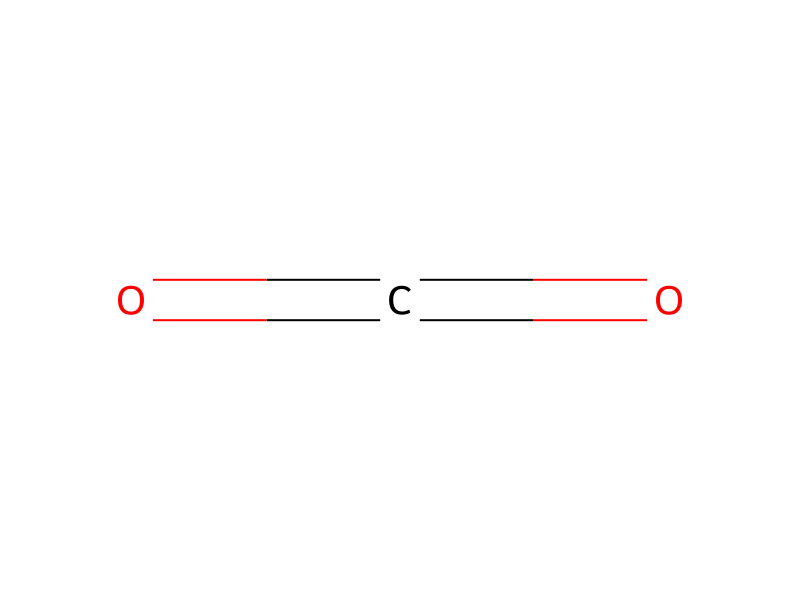
Br[C:2]1[CH:7]=[C:6]([O:8][CH3:9])[CH:5]=[C:4]([O:10][C:11]2[CH:16]=[CH:15][CH:14]=[C:13]([C:17]([F:20])([F:19])[F:18])[CH:12]=2)[N:3]=1.C([Li])CCC.[C:26](=[O:28])=[O:27].Cl>C(OCC)C.C(OCC)(=O)C.O>[CH3:9][O:8][C:6]1[CH:5]=[C:4]([O:10][C:11]2[CH:16]=[CH:15][CH:14]=[C:13]([C:17]([F:20])([F:19])[F:18])[CH:12]=2)[N:3]=[C:2]([C:26]([OH:28])=[O:27])[CH:7]=12-bromo-4-methoxy-6-[3-(trifluoromethyl)phenoxy] pyridine (3.00 g, 0.0086 mol) was suspended in about 30 ml of diethyl ether. While cooling in a dry ice-acetone bath in an argon atmosphere, the obtained suspension was mixed with n-butyl lithium [5.9 ml (ca. 1.6 M in hexane solution), 0.0086×1.1 mol], and the obtained mixture was stirred for about 10 minutes. After replacing an interior of the reactor with a carbon dioxide gas, the solution was removed from the bath and stirred at room temperature for about one hour. The obtained reaction solution was mixed with about 10 ml of a 1 N aqueous hydrochloric acid solution, distributed in ethyl acetate-water, and then washed with saturated brine. The organic phase separated from the solution was dried with anhydrous sodium sulfate, concentrated and then purified by silica gel column chromatography (eluting solution: ethyl acetate/hexane), thereby obtaining an aimed product.