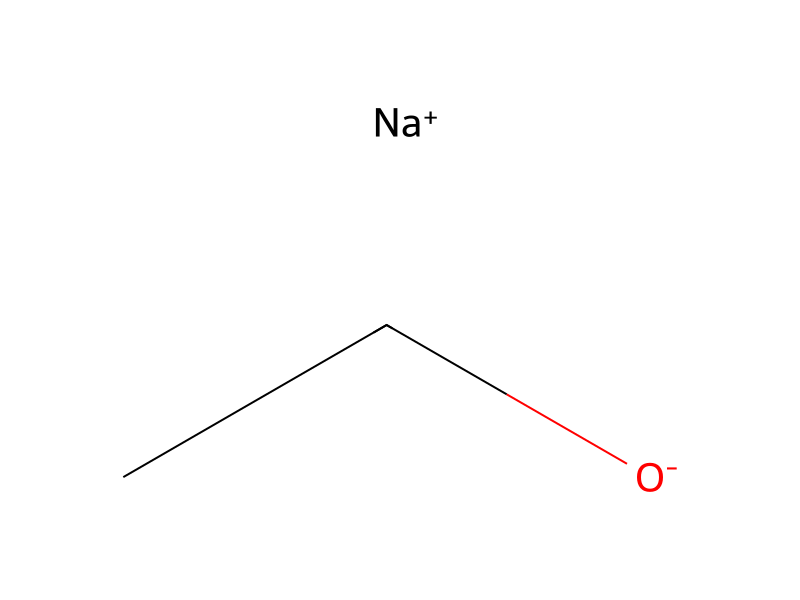
[C:1]([C:4]1[C:23]([OH:24])=[CH:22][CH:21]=[CH:20][C:5]=1[O:6][CH2:7][CH:8]([OH:19])[CH2:9][O:10][C:11]1[CH:16]=[CH:15][C:14]([C:17]#[N:18])=[CH:13][CH:12]=1)(=[O:3])[CH3:2].[O-:25][CH2:26][CH3:27].[Na+].[Na].[CH2:30]([OH:32])[CH3:31]>C(OCC)(=O)C(OCC)=O.C1C=CC=CC=1.O.C(O)(=O)C>[C:26]([C:27]1[O:24][C:23]2[C:4]([C:1](=[O:3])[CH:2]=1)=[C:5]([O:6][CH2:7][CH:8]([OH:19])[CH2:9][O:10][C:11]1[CH:16]=[CH:15][C:14]([C:17]#[N:18])=[CH:13][CH:12]=1)[CH:20]=[CH:21][CH:22]=2)([O:32][CH2:30][CH3:31])=[O:25]A suspension of 1-(2-acetyl-3-hydroxyphenoxy)-2-hydroxy-3-p-cyanophenoxypropane (13.1 g) in diethyl oxalate (15 ml) was added to a suspension of sodium ethoxide, prepared from sodium (3.0 g) and ethanol (30 ml) in dry benzene (200 ml). The resulting mixture was heated under reflux for 2 hours, cooled, poured onto ice (100 g), and acidified with a solution of acetic acid (12 ml) in water (80 ml). The benzene layer was separated, and the aqueous layer extracted with ether (3 × 25 ml). The extracts were combined with the organic layer, the solvent was removed, and the residue was dissolved in absolute ethanol (100 ml) to which hydrochloric acid (5 drops) was added. The yellow solution was heated under reflux for 1 hour and the solvent removed to give a yellow solid. Recrystallization from ethanol gave 1-(2-carbethoxychromon-5-yloxy)-2-hydroxy-3-p-cyanophenoxypropane (5.4 g) as a beige solid m.p. 137°-139° C.