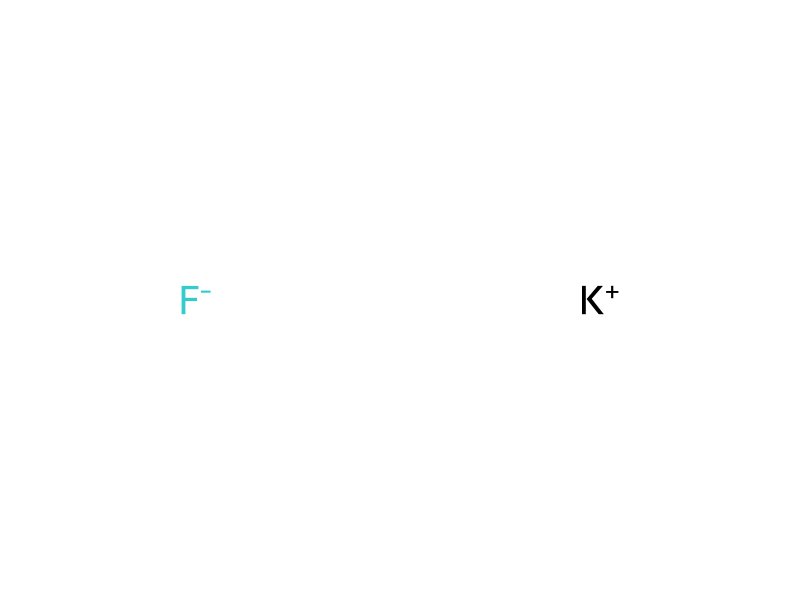
Under an argon atmosphere, to a solution of allylpalladium(II) chloride dimer (160 mg, 437 μmol) in anhydrous THF (30 mL) was added 2-(di-tert-butylphosphino)-1-phenylindole (295 mg, 874 μmol) at room temperature, followed by stirring at room temperature for 10 minutes. Subsequently, to the mixture were successively added 2-amino-3-benzyl-5-bromo-6-chloropyrazine (5) (2.60 g, 8.74 mmol), 2-formyl-4-methoxyphenylboronic acid (6) (3.14 g, 17.4 mmol), potassium fluoride (2.60 g, 44.8 mmol) and water (160 μL, 8.88 mmol) at room temperature. The mixture was stirred overnight (14 hours) at room temperature without further treatment. After to this was added water, the product was extracted with ethyl acetate (×3). The combined organic extract was washed successively with water (×1) and brine (×1), and dried over anhydrous sodium sulfate. After filtration and concentration under reduced pressure, the residue was purified by silica gel flash column chromatography (n-hexane/ethyl acetate=3/1) to give 2-(5-amino-6-benzyl-3-chloropyrazin-2-yl)-5-methoxybenzaldehyde (7) (2.37 g, 6.70 mmol, 76.9%) as a reddish brown solid. TLC Rf=0.27 (n-hexane/ethyl acetate=3/1); 1H NMR (500 MHz, CDCl3) δ 3.92 (s, 3H), 4.13 (s, 2H), 4.66 (s, 2H), 7.21-7.25 (m, 3H), 7.27-7.31 (m, 1H), 7.32-7.37 (m, 2H), 7.51-7.55 (m, 2H), 9.92 (s, 1H); 13C NMR (126 MHz, CDCl3) δ 40.4, 55.7, 111.2, 120.7, 127.4, 128.4 (2C), 129.2 (2C), 132.5, 132.7, 135.7, 135.8, 137.8, 139.1, 144.1, 151.5, 160.0, 191.0.