StartseiteMCPWorkbenchSkills
StartseiteWorkbenchBenachrichtigungenMein Bereich
llms.txt · MCP-AnleitungDatenschutz · Nutzungsbedingungen · Supportv1.8.3
  1. Startseite
  2. /Reaktion

Bromine → 1,3-Dihydro-4-methoxy-1-methyl-2H-indol-2-one

HRID 1623536
Drucken

Reaktionsgleichung

Reaktionsgleichung von HRID 1623536
[Br-].[K+].BrBr.[CH3:5][O:6][C:7]1[CH:15]=[CH:14][CH:13]=[C:12]2[C:8]=1[CH:9]=[CH:10][N:11]2[CH3:16].C(=O)(O)[O-:18].[Na+]>O.[Pd].C(O)(C)(C)C>[CH3:5][O:6][C:7]1[CH:15]=[CH:14][CH:13]=[C:12]2[C:8]=1[CH2:9][C:10](=[O:18])[N:11]2[CH3:16]
KomponentenVersuchsvorschriftAufarbeitungQuellen und NachweiseNotizen zur Reaktion

Komponenten

8

Edukt 4

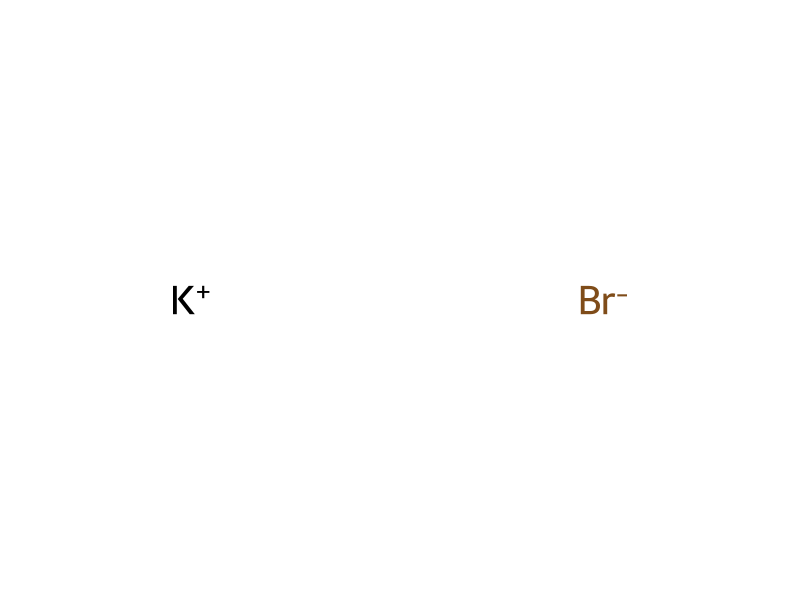
HCID 24408Bromine2×HCID 253877Potassium BromideHCID 516892Sodium BicarbonateHCID 5952384-Methoxy-1-methylindole

Produkt 1

HCID 127130311,3-Dihydro-4-methoxy-1-methyl-2H-indol-2-one

Reagenzien, Katalysatoren, Lösungsmittel 3

HCID 23938
Palladium
Katalysator
HCID 962WaterLösungsmittel2×
HCID 6386tert-ButanolLösungsmittel

Versuchsvorschrift

To a solution of potassium bromide (3986 mg, 33.5 mmol) in water (26.5 ml) was added bromine (0.863 ml, 16.75 mmol). A separate flask containing 4-methoxy-1-methyl-1H-indole (900 mg, 5.58 mmol) was charged with t-butanol (20.00 ml) and water (20.0 ml). To this flask was added 22.5 mL of bromine solution dropwise. The mixture was permitted to stir for approximately 30 minutes and then was neutralized with saturated aqueous sodium bicarbonate and quenched with saturated aqueous sodium thiosulfate. The reaction was then diluted with dichloromethane and saturated aqueous sodium bicarbonate and the layers were separated. The aqueous layer was extracted two additional times with dichloromethane and the organic layers were combined, dried over anhydrous sodium sulfate, filtered, and concentrated. The resulting residue was dissolved in 50 mL EtOH and 5 mL of AcOH. The solution was then charged with 10% palladium on carbon (1.2 g, 1.13 mmol). The atmosphere over the reaction mixture was evacuated and the reaction was placed under an atmosphere of hydrogen gas via a balloon. The reaction was stirred for 18 hours. The reaction mixture was then filtered through a plug of Celite® and the filtrate was then concentrated to approximately 25% of its original volume. The reaction was then diluted with dichloromethane and saturated aqueous sodium bicarbonate and the layers were separated. The aqueous layer was extracted two additional times with dichloromethane and the organic layers were combined, dried over anhydrous sodium sulfate, filtered, and concentrated. The resulting residue was purified by silica gel flash chromatography (ethyl acetate-heptane, 0 to 60%) to afford 4-methoxy-1-methyl-1,3-dihydro-indol-2-one; MS: (ES+) m/z 178.0 (M+H)+.


Aufarbeitung

  1. customquenched with saturated aqueous sodium thiosulfate
  2. additionThe reaction was then diluted with dichloromethane and saturated aqueous sodium bicarbonate
  3. customthe layers were separated
  4. extractionThe aqueous layer was extracted two additional times with dichloromethane
  5. dry with materialdried over anhydrous sodium sulfate
  6. filtrationfiltered
  7. concentrationconcentrated
  8. dissolutionThe resulting residue was dissolved in 50 mL EtOH
  9. customThe atmosphere over the reaction mixture was evacuated
  10. stirringThe reaction was stirred for 18 hours
  11. filtrationThe reaction mixture was then filtered through a plug of Celite®
  12. concentrationthe filtrate was then concentrated to approximately 25% of its original volume
  13. additionThe reaction was then diluted with dichloromethane and saturated aqueous sodium bicarbonate
  14. customthe layers were separated
  15. extractionThe aqueous layer was extracted two additional times with dichloromethane
  16. dry with materialdried over anhydrous sodium sulfate
  17. filtrationfiltered
  18. concentrationconcentrated
  19. customThe resulting residue was purified by silica gel flash chromatography (ethyl acetate-heptane, 0 to 60%)

Quellen und Nachweise

ORD-Eintrag
ord-61466750abb343e298b544803ed4ca76
Quelldatensatz
uspto-grants-2014_07
DOI
10.6084/m9.figshare.5104873.v1
Patentnummer
US08778972B2

Notizen zur Reaktion

Auf dieser SeiteKomponentenVersuchsvorschriftAufarbeitungQuellen und NachweiseNotizen zur Reaktion