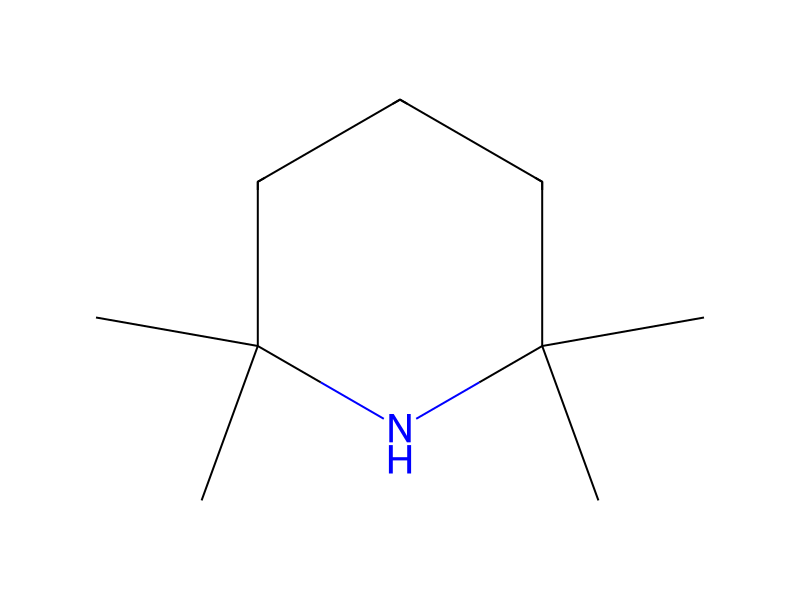
C([Li])CCC.CC1(C)CCCC(C)(C)N1.[C:16]([O:20][C:21]([N:23]1[CH2:28][CH2:27][N:26]([C:29]2[N:30]=[N:31][C:32]([C:35]([F:38])([F:37])[F:36])=[CH:33][CH:34]=2)[CH2:25][CH2:24]1)=[O:22])([CH3:19])([CH3:18])[CH3:17].[I:39]I>O1CCCC1.C(O)(=O)C>[C:16]([O:20][C:21]([N:23]1[CH2:24][CH2:25][N:26]([C:29]2[N:30]=[N:31][C:32]([C:35]([F:36])([F:37])[F:38])=[C:33]([I:39])[CH:34]=2)[CH2:27][CH2:28]1)=[O:22])([CH3:19])([CH3:17])[CH3:18]To a mixture of butyllithium (2.5 M in hexanes) (6.31 ml, 15.79 mmol) in tetrahydrofuran (125 ml) at 0° C., was added 2,2,6,6-tetramethylpiperidine (3.808 ml, 22.56 mmol). The reaction mixture was then stirred at room temperature for 1 h. The mixture was cooled to −78° C. and then a solution of 4-(6-trifluoromethyl-pyridazin-3-yl)-piperazine-1-carboxylic acid tert-butyl ester (D9) (2.5 g, 7.52 mmol) in tetrahydrofuran (20 ml) was added. The mixture was stirred for 1 h. at −78° C. before adding a solution of iodine (2.29 g, 9.024 mmol) in tetrahydrofuran (10 ml). The mixture was stirred at −78° C. for 1 h. and then diluted with a 10% solution of acetic acid in tetrahydrofuran. The mixture was then allowed to reach room temperature and then the solvent was evaporated in vacuo. The residue was diluted with dichloromethane and extracted with water. The organic layer was separated, dried (MgSO4), filtered and the solvent evaporated in vacuo. The residue was precipitated from diethyl ether to yield D10 (2.81 g, 82%) as a light yellow solid. C14H18F31N4O2 requires 458; Found 459 (MH+).