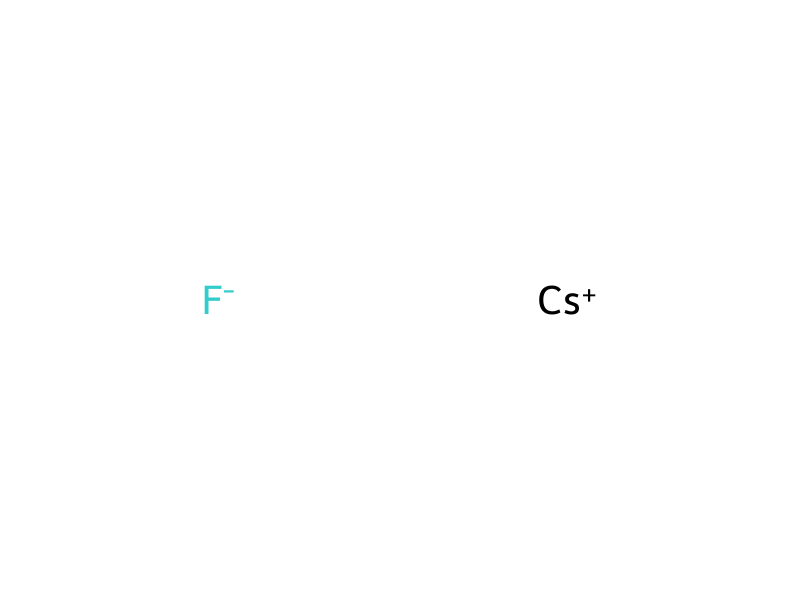
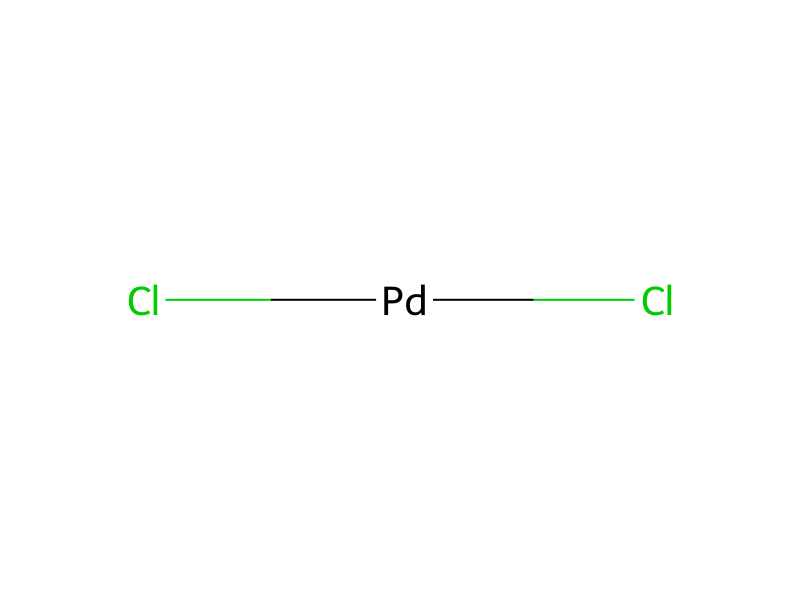
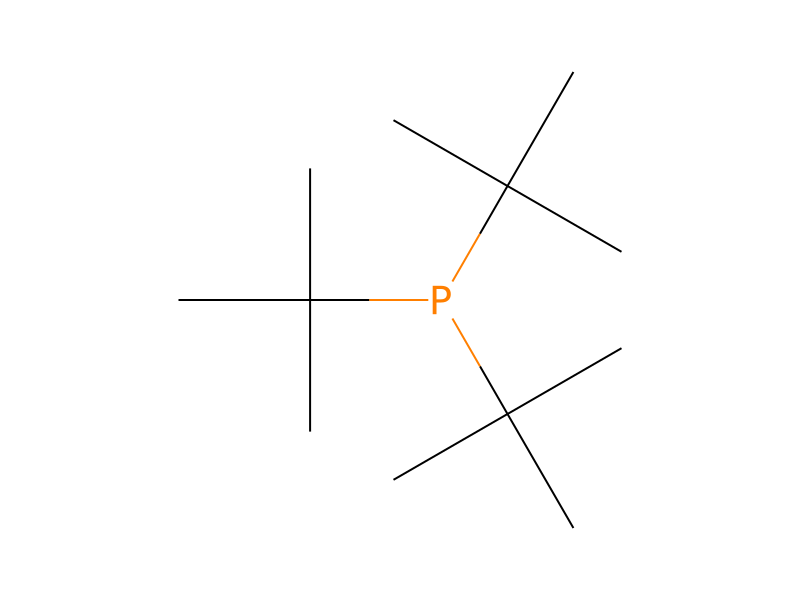
[CH3:1][O:2][C:3](=[O:19])[C:4]1[CH:9]=[C:8]([O:10][CH2:11][O:12][CH3:13])[C:7](Br)=[C:6]([O:15][CH2:16][O:17][CH3:18])[CH:5]=1.[F-].[Cs+].[CH3:22][C:23](=[CH2:38])[CH2:24][Sn](CCCC)(CCCC)CCCC>CN(C=O)C.[Cu]I.Cl[Pd]Cl.P(C(C)(C)C)(C(C)(C)C)C(C)(C)C>[CH3:1][O:2][C:3](=[O:19])[C:4]1[CH:9]=[C:8]([O:10][CH2:11][O:12][CH3:13])[C:7]([CH2:24][C:23]([CH3:38])=[CH2:22])=[C:6]([O:15][CH2:16][O:17][CH3:18])[CH:5]=1To a solution of 4-bromo-3,5-bis-methoxymethoxy-benzoic acid methyl ester (3 h) (3.10 g, 9.25 mmol) in DMF (20 mL) was added CsF (2.80 g, 18.4 mmol), CuI (200 mg, 1.05 mmol), PdCl2 (200 mg, 1.12 mmol), 2-methylallyltributyltin (3.80, 11.0 mmol) and PtBu3 (220 mg, 1.09 mmol). The reaction mixture was degassed and heated to 45° C. overnight. The mixture was filtered through Celite, quenched with H2O (100 mL), extracted with EtOAc (2×100 mL). The organic layers were dried over MgSO4 and concentrated. The residue was purified by flash column chromatography eluting with 5% EtOAc in hexanes to give the desired product as brown oil (3.6 g) which contained tin impurities. 1H NMR (400 MHz, CDCl3) δ 7.44-7.46 (m, 2 H) 5.22 (s, 4 H) 4.61-4.76 (m, 1 H) 4.38-4.55 (m, 1 H) 3.90 (s, 3 H) 3.47 (s, 6 H) 3.42-3.45 (m, 2 H) 1.80 (s, 3 H); LCMS for C16H22O6 m/z 311.10 (M+H)+.