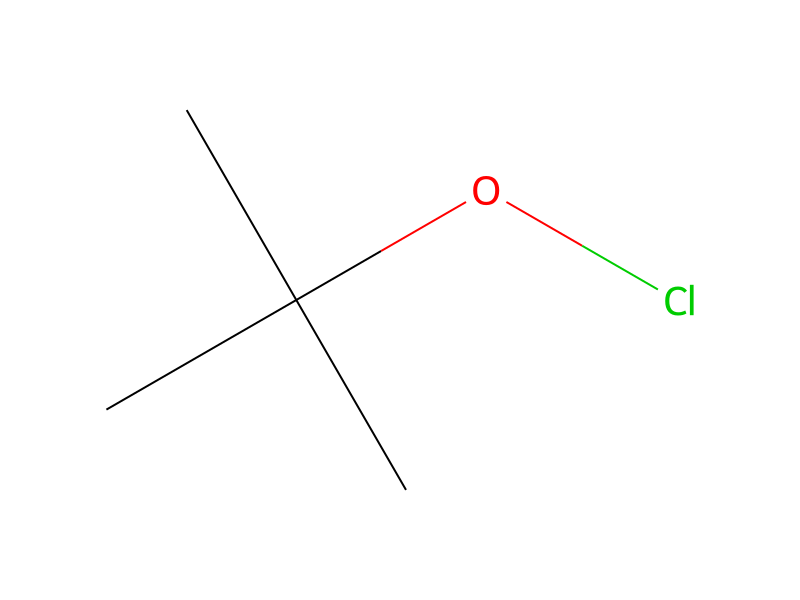
2-Chloroaniline 7 g (32.7 mmol) was dissolved in dichloromethane 100 ml and the solution was cooled to −65° C. To the solution a solution of t-butyl hypochlorite 3.55 g (32.7 mmol) in dichloromethane 10 ml was added dropwise and the solution was stirred at the same temperature for 10 minutes. Then a solution of 2-(1-methylthioethyl)-4,6-dimethoxypyrimidine in dichloromethane was added thereto dropwise and the solution was stirred at the same temperature for 1 hour. After a methanol solution of sodium methoxide 12.6 g (65.3 mmol) had been added dropwise and the mixed solution had been stirred at the same temperature for 10 minutes, the reaction solution was stirred until it came to room temperature. The reaction solution was poured into water and extracted with dichloromethane. The solvent was distilled off and the residue was purified with column chromatography (hexane/ethyl acetate=5/1) to obtain 2-{1-methylthio-1-(2-amino-3-chlorophenyl)ethyl}-4,6-dimethoxypyrimidine 10.0 g (90%).