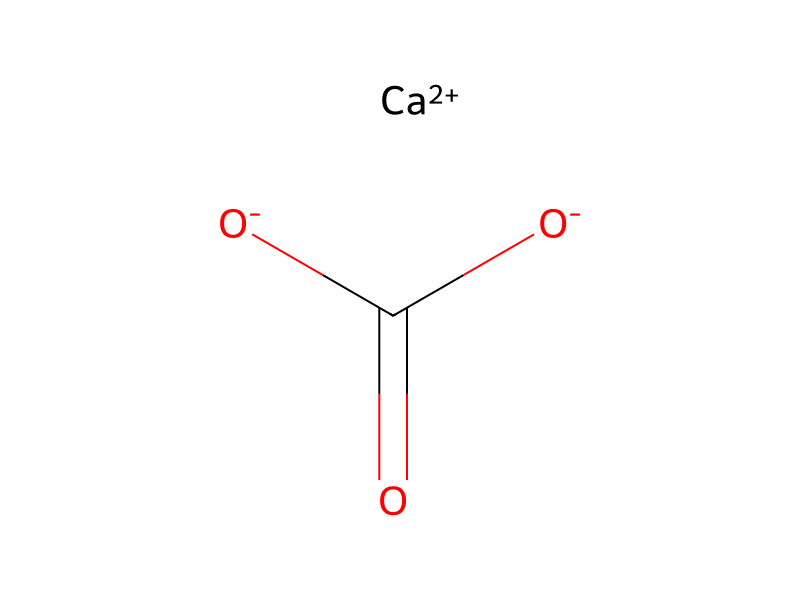
In accordance with Example 1, a suspension consisting of 5.78 of α,α,α',α'-tetrachloroxylene (purity approx. 95%), 9.62 g of sodium acetate, 1.74 g of tetrabutylammonium bromide, 4.75 g of calcium carbonate and 10 ml of water is refluxed, with stirring, for 29 hours in a nitrogen atmosphere. After cooling, the reaction mixture is diluted with water and extracted with two 100 ml portions of ethyl acetate. The combined organic layers are washed with a saturated solution of sodium chloride and dried over magnesium sulfate. The solvent is distilled off in vacuo and the crystalline residue is dissolved in toluene and chromatographed through 100 g of silica gel. o-Phthalaldehyde is eluted with toluene/ethyl acetate (19:1) and the eluate is concentrated, affording 2.30 g (72%) of pure o-phthalaldehyde.