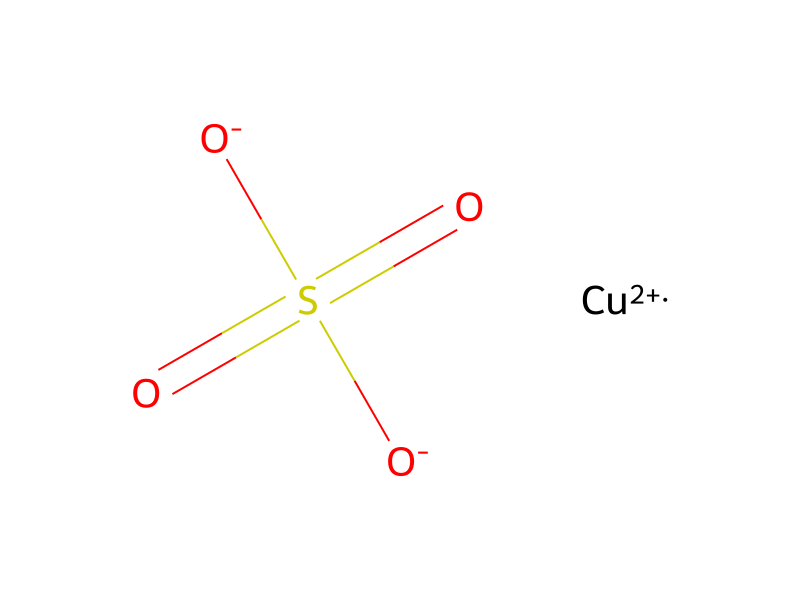
CS[C:3]([C:8]1[CH:13]=[CH:12][C:11]([N:14]2[C:18](=O)[C:17]3=[CH:20][CH:21]=[CH:22][CH:23]=[C:16]3[C:15]2=[O:24])=[CH:10][CH:9]=1)([CH3:7])[C:4]([OH:6])=[O:5].C(Cl)Cl.O>C(O)(=O)C.[Zn].S([O-])([O-])(=O)=O.[Cu+2]>[O:24]=[C:15]1[C:16]2[C:17](=[CH:20][CH:21]=[CH:22][CH:23]=2)[CH2:18][N:14]1[C:11]1[CH:12]=[CH:13][C:8]([CH:3]([CH3:7])[C:4]([OH:6])=[O:5])=[CH:9][CH:10]=1α-Methylthio-α-(p-phthalimidophenyl)propionic acid (123 mg), 300 mg of zinc powder and 16 mg of anhydrous copper sulfate were stirred in 1.5 ml of acetic acid at the refluxing temperature for 5 hours. After cooling, 30 ml of methylene chloride and 20 ml of water were added, and the insoluble precipitate was separated by filtration. The filtrate was adjusted to pH 1 with conc. hydrochloric acid, and extracted three times with 20 ml of methylene chloride. The organic layer was washed with 10 ml of water, and dried with anhydrous sodium sulfate, and the solvent was evaporated off under reduced pressure to afford 99 mg of α-[p-(1-oxo-2-isoindolinyl) phenyl]propionic acid in a yield of 98%.