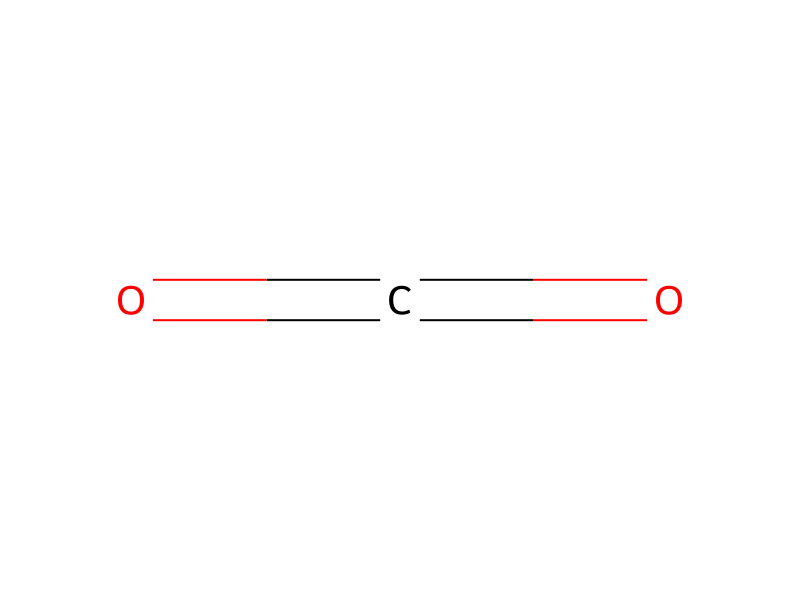
To a 5 L three-neck flask, equipped with a thermometer and a mechanical stirrer and heated on a steam bath, was added 350 g of ethyl 5-acetyl-4-oxohexanoate, 329 g of diethyl aminomalonate hydrochloride, 133 g of sodium acetate, and 1.2 L of acetic acid. The mixture was heated to 99° C. over 37 minutes. By 62° C., carbon dioxide evolution was already rapid. After a total of 35 minutes at 99° C., gas evolution had greatly slowed. After another hour, the mixture was cooled, the sodium chloride removed by vacuum filtration, and the solvent evaporated. The residue was mixed with 1 L of cold water. The precipitate was collected by vacuum filtration, washed with 400 mL of water, and dissolved in 1 L of hot 95% ethanol. The solution was treated with 20 g of Darco G-60, hot-filtered, and cooled to room temperature. The crystalline solid was collected by vacuum filtration, washed twice on the filter with 200 mL of 50% ethanol each time, and dried under vacuum at 70° C. to give 285 g (64% yield) of 2-ethoxycarbonyl-4-(2-ethoxycarbonylethyl)-3,5-dimethylpyrrole. The filtrate was refrigerated overnight to give another 53.1 g (11.9% yield) of product, for a total yield of 75.9%.