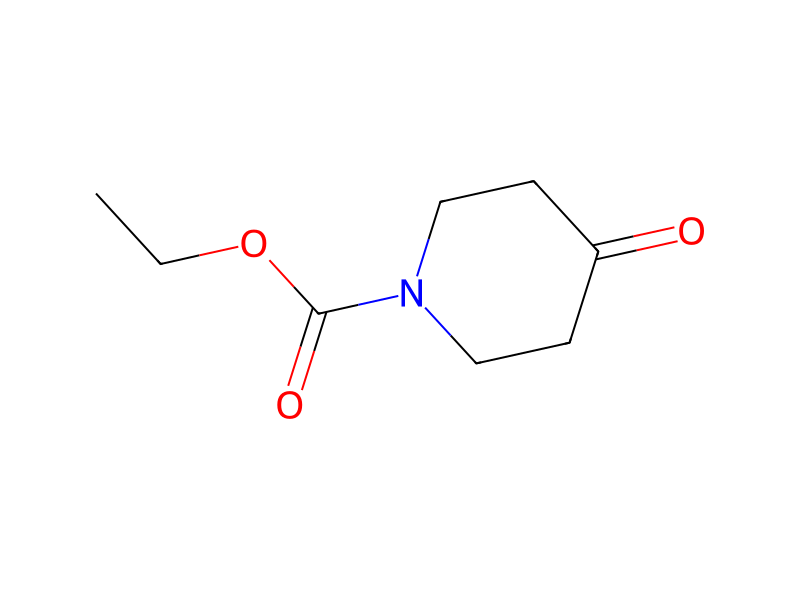
O=[C:2]1[CH2:7][CH2:6][N:5]([C:8]([O:10][CH2:11][CH3:12])=[O:9])[CH2:4][CH2:3]1.[O:13]1[CH:17]=[CH:16][CH:15]=[C:14]1[CH2:18][N:19]1[C:23]2=[N:24][CH:25]=[CH:26][CH:27]=[C:22]2[N:21]=[C:20]1[NH2:28].CC1C=CC(S(O)(=O)=O)=CC=1.[BH4-].[Na+]>O.C(O)(=O)C.C(O)C.CC1C=CC=CC=1>[O:13]1[CH:17]=[CH:16][CH:15]=[C:14]1[CH2:18][N:19]1[C:23]2=[N:24][CH:25]=[CH:26][CH:27]=[C:22]2[N:21]=[C:20]1[NH:28][CH:2]1[CH2:7][CH2:6][N:5]([C:8]([O:10][CH2:11][CH3:12])=[O:9])[CH2:4][CH2:3]1A mixture of 22.2 parts of ethyl 4-oxo-1-piperidinecarboxylate, 21.4 parts of 3-(2-furanylmethyl)-3H-imidazo[4,5-b]pyridin-2-amine, 360 parts of methylbenzene and 0.1 parts of 4-methylbenzenesulfonic acid was stirred for 4 days at reflux temperature using a water separator. After cooling to 50° C., 64 parts of ethanol were added and 3.8 parts of sodium tetrahydroborate were added portionwise to the reaction mixture. Upon completion, stirring was continued for 2 hours at 50° C. After cooling, the mixture was decomposed with 3.5 parts of acetic acid. Water was added to the mixture while stirring and the layers were separated. The aqueous layer was extracted with methylbenzene. The combined methylbenzene layers were dried, filtered and evaporated, yielded ethyl 4-[[3-(2-furanylmethyl)-3H-imidazo[4,5-b]pyridin-2-yl]amino]-1-piperidinecarboxylate as an oily residue (compound 56).