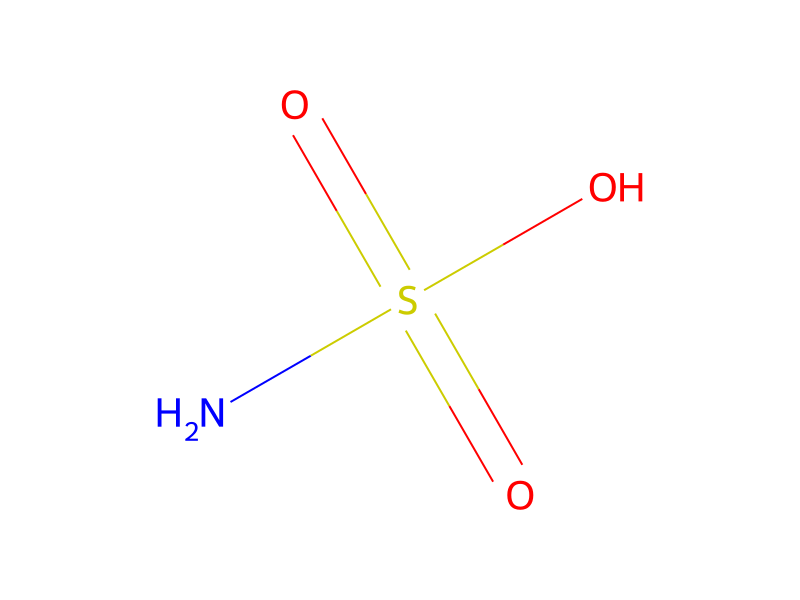
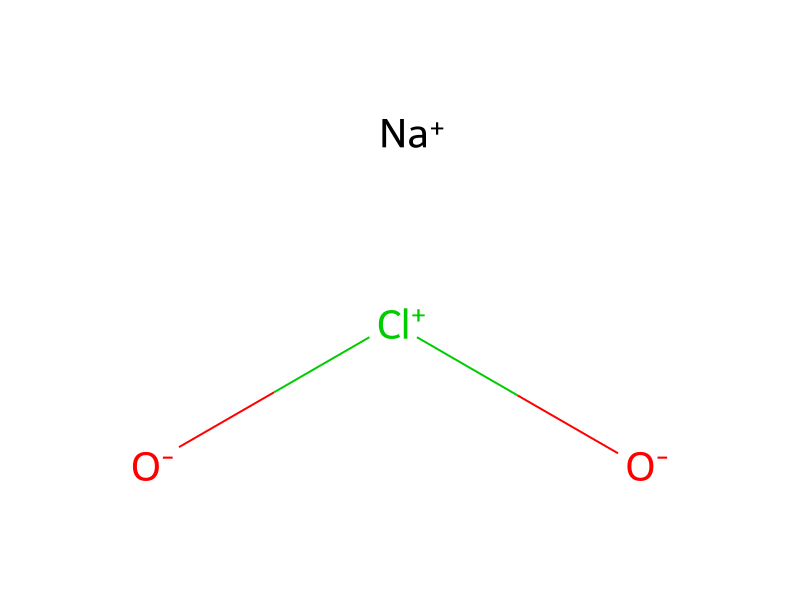
To a suspension of 0.640 g (3.22 mmole) 2-chloro-thieno[3,2-d]pyrimidine-7-carbaldehyde in 20 mL of tetrahydrofuran, 10 mL of tert-butanol and 10 mL of water was added 1.25 g (12.9 mmole) of sulfamic acid. A solution of 0.729 g (8.06 mmole) sodium chlorite and 3.33 g (24.5 mmole) of potassium dihydrogen phosphate in 24 mL of water was slowly added via additional funnel. The reaction mixture was stirred at room temperature for over night. Water and ethyl acetate were added, separated. Aqueous layer was washed with ethyl acetate. Organic layer was washed with brine, dried over anhydrous sodium sulfate, filtered and concentrated under reduced pressure. The solid residue was dried in high vacuum for over night to give 0.660 g of 2-chloro-thieno[3,2-d]pyrimidine-7-carboxylic acid as a yellow solid. MH+/Z=215