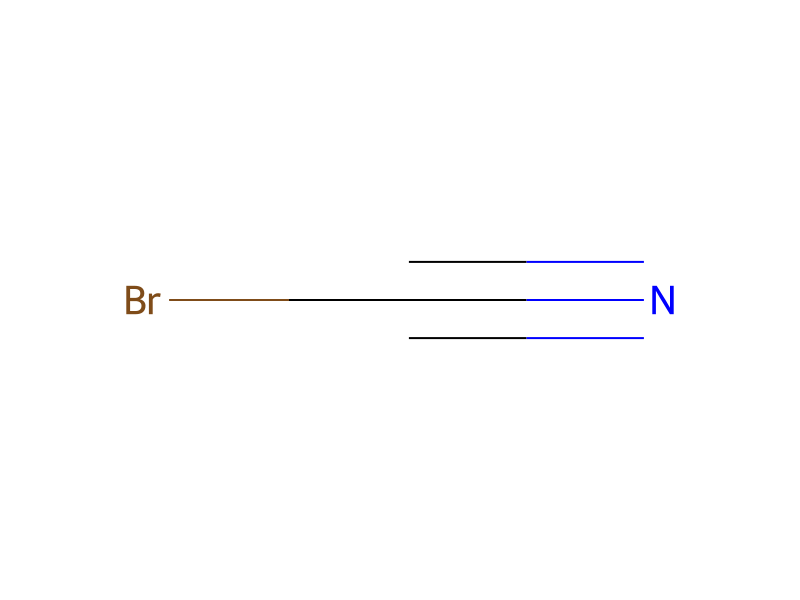
To a stirred slurry of N-(1,2,3,4-tetrahydro-5-isoquinolyl)methanesulfonamide hemisulfate (prepared analogously to the compound of Example 19(b) in WO 98/30560, but using sulphuric acid in the final step in place of hydrochloric acid; 240 g, 0.88 mol) in acetonitrile (2400 ml) at 0° C. was added N,N-diisopropylethylamine (326 ml, 1.88 mmol). Cyanogen bromide (99.2 g, 0.94 mol) was added over a period of 20 minutes keeping the temperature below 10° C. The resulting slurry was allowed to warm to 20° C. and stirred at this temperature for 18 hrs. After this time, water (2400 ml) was added and the resulting mixture extracted with CH2Cl2 (2×2500 ml). The combined organic phases were washed with water (2000 ml) and evaporated to dryness. The resulting solid was reslurried in CH2Cl2 (360 ml) and the solid collected by filtration to yield 158 g (72%) of the title compound.