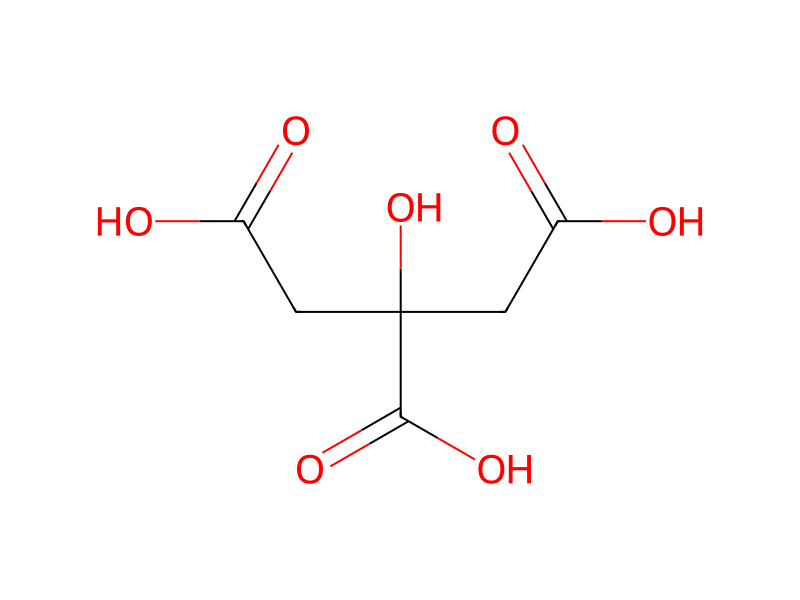
Citric Acid → N-Acetyl-4-(bis(2-chloroethyl)amino)phenylalanine
Reaktionsgleichung

[CH:1]1[C:6]([CH2:7][C@H:8]([NH2:12])[C:9]([OH:11])=[O:10])=[CH:5][CH:4]=[C:3]([N:13]([CH2:17][CH2:18][Cl:19])[CH2:14][CH2:15][Cl:16])[CH:2]=1.C(=O)([O-])[O-].[Na+].[Na+].[C:26](OC(=O)C)(=[O:28])[CH3:27].C(O)(=O)CC(CC(O)=O)(C(O)=O)O>O.O1CCOCC1>[CH3:27][C:26]([NH:12][CH:8]([C:9]([OH:11])=[O:10])[CH2:7][C:6]1[CH:5]=[CH:4][C:3]([N:13]([CH2:14][CH2:15][Cl:16])[CH2:17][CH2:18][Cl:19])=[CH:2][CH:1]=1)=[O:28]Komponenten
7