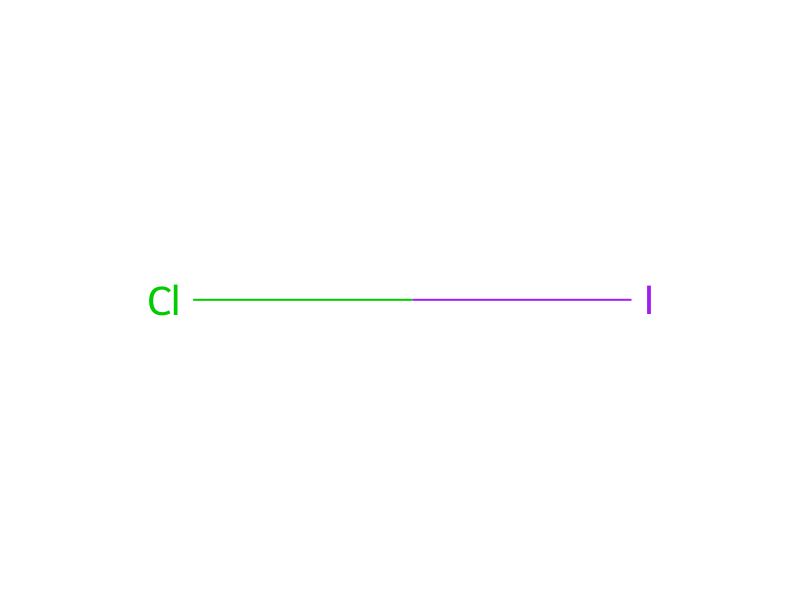
A mixture of 4-(4-nitrobenzylidene)tetrahydro-2H-pyran (2.0 g) and PtO2 (0.2 g) is hydrogenated at 40 p.s.i. H2 for 3.5 h. The mixture is filtered through celite and the filtrate is condensed. The crude residue is dissolved in a mixture of 40 mL CHCl3 and 4 mL MeOH. To this is added sodium acetate (2.24 g), followed by the dropwise addition of a solution of ICl (0.69 mL) in MeOH (10 mL). The reaction is stirred at room temperature for 1 h then quenched by pouring into an iced saturated solution of aqueous sodium bisulfite (200 mL). The mixture is stirred for 30 minutes then concentrated to remove organic solvents. The aqueous solution is extracted with CH2Cl2 (3×). The combined organic layers are washed with brine, dried and condensed. The crude product is chromatographed (Biotage flash 40M, eluant CH2Cl2) to yield 1.0 g (34%) of 2-iodo-4-(tetrahydro-2H-pyran-4-ylmethyl)aniline as an oil.