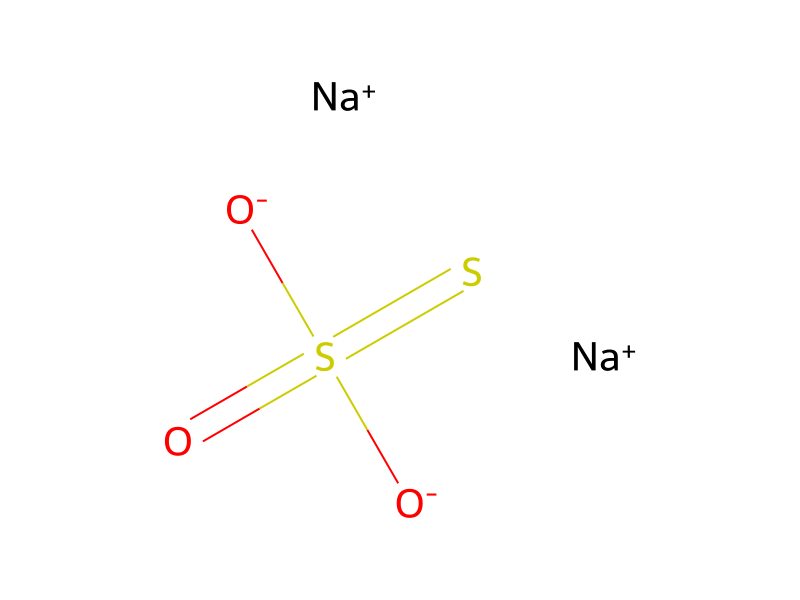
[CH:1](/[C:9]1[N:10]=[C:11]2[CH:17]=[CH:16][N:15]([S:18]([C:21]3[CH:27]=[CH:26][C:24]([CH3:25])=[CH:23][CH:22]=3)(=[O:20])=[O:19])[C:12]2=[N:13][CH:14]=1)=C\C1C=CC=CC=1.I([O-])(=O)(=O)=[O:29].[Na+].[O-]S([O-])(=S)=O.[Na+].[Na+].CCOC(C)=O>O1CCOCC1.O.[Os](=O)(=O)(=O)=O>[S:18]([N:15]1[C:12]2=[N:13][CH:14]=[C:9]([CH:1]=[O:29])[N:10]=[C:11]2[CH:17]=[CH:16]1)([C:21]1[CH:27]=[CH:26][C:24]([CH3:25])=[CH:23][CH:22]=1)(=[O:20])=[O:19]To a solution of (E)-2-styryl-5-tosyl-5H-pyrrolo[2,3-b]pyrazine (1.2 g, 3.2 mmol) in 1,4-dioxane (20 mL) and water (2.0 mL) was added sodium periodate (2.73 g, 12.8 mmol) followed by osmium tetroxide (2.5% in t-BuOH, 4.01 mL, 0.320 mmol). After about 1 day at ambient temperature, additional sodium periodate (2.73 g, 12.78 mmol) and osmium tetroxide (2.5% in t-BuOH, 4.01 mL, 0.320 mmol) were added. After about 2 days, a solution of aqueous Na2S2O3 (100 mL) and EtOAc (100 mL) was added. The organic layer was separated, dried over anhydrous Na2SO4, filtered, and concentrated under reduced pressure. The resulting solid was triturated with heptane to remove benzaldehyde. The resulting solid was dried in vacuo to provide 5-tosyl-5H-pyrrolo[2,3-b]pyrazine-2-carbaldehyde as a brown solid (0.77 g, 80%): LC/MS (Table 2, Method a) Rt=2.01 min; MS m/z: 334 (M+H)+.