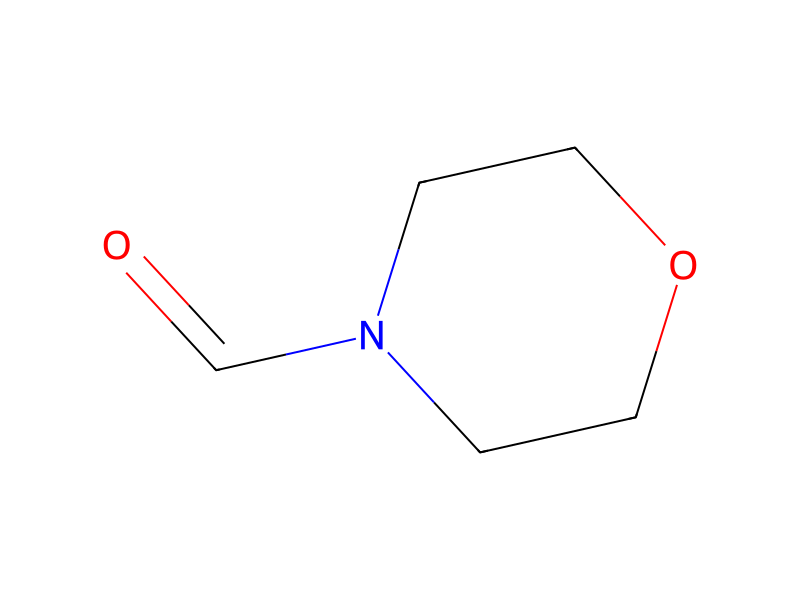
[Li]CCCC.[F:6][C:7]1[C:12]([F:13])=[C:11]([O:14][CH2:15][CH2:16][CH3:17])[CH:10]=[CH:9][C:8]=1[C:18]1[CH:23]=[CH:22][C:21]([C:24]2[Se:25][CH:26]=[CH:27][CH:28]=2)=[CH:20][CH:19]=1.[CH:29](N1CCOCC1)=[O:30].Cl>C1COCC1.O>[F:6][C:7]1[C:12]([F:13])=[C:11]([O:14][CH2:15][CH2:16][CH3:17])[CH:10]=[CH:9][C:8]=1[C:18]1[CH:23]=[CH:22][C:21]([C:24]2[Se:25][C:26]([CH:29]=[O:30])=[CH:27][CH:28]=2)=[CH:20][CH:19]=15.5 ml (32.3 mmol) of TMP are initially introduced at −20° C. in 50 ml of THF, and 20.0 ml (31.8 mmol, 15% soln. in hexane) of n-BuLi are metered in. The mixture is warmed to 5° C., and a solution of 10.0 g (26.5 mmol) of 2-(2′,3′-difluoro-4′-propoxybiphenyl-4-yl)selenophene in 100 ml of THF is metered in. The batch is warmed to RT and stirred for 30 min. The mixture is cooled to −70° C., and 3.5 ml (35.0 mmol) of N-formylmorpholine are added. The reaction mixture is warmed to RT and stirred for 1 h. 2 N hydrochloric acid is added, and the batch is added to 1 l of water. The solid forming is filtered off and crystallised from toluene, giving 5-(2′,3′-difluoro-4′-propoxybiphenyl-4-yl)selenophene-2-carbaldehyde as a brown solid.