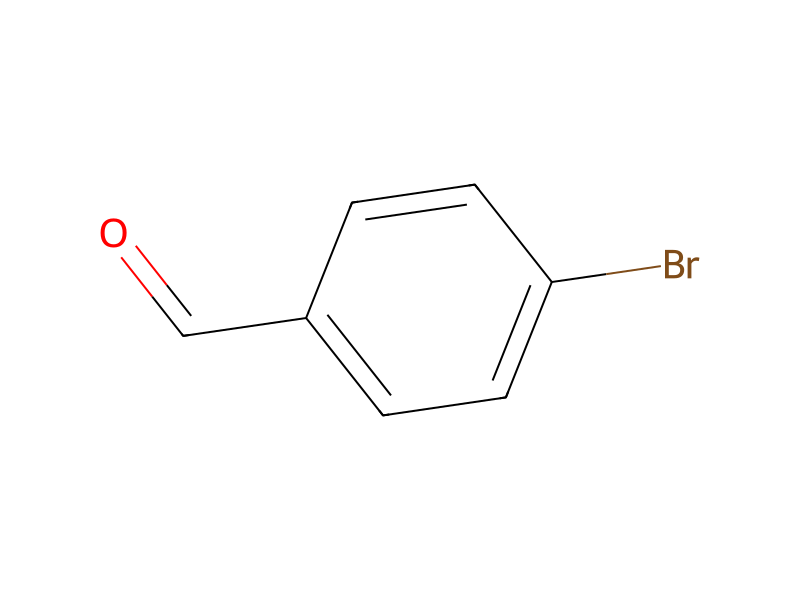
Cl.[NH2:2][CH2:3][C:4]([NH2:6])=[O:5].[OH-].[K+].[Br:9][C:10]1[CH:17]=[CH:16][C:13]([CH:14]=O)=[CH:12][CH:11]=1.C(O[BH-](OC(=O)C)OC(=O)C)(=O)C.[Na+]>CO.O.C(Cl)Cl.[Cl-].[Na+]>[Br:9][C:10]1[CH:17]=[CH:16][C:13]([CH2:14][NH:2][CH2:3][C:4]([NH2:6])=[O:5])=[CH:12][CH:11]=1To glycinamide hydrochloride (1B2) (129 mmol, 15.4 g) in methanol (343 ml) was added potassium hydroxide (9.27 mmol, 0.520 g) followed by 4-bromobenzaldehyde (1B1) (93 mmol, 17.15 g) and the mixture stirred for 15 minutes at 0° C. Sodium triacetoxyborohydride (278 mmol, 58.9 g) was added and stirring continued for 1 h. The reaction was diluted with water (75 ml), DCM (300 ml) and saturated sodium chloride solution (100 ml) and the phases separated. The aqueous layer was washed twice with DCM (100 ml) before addition of sodium hydroxide solution to ˜pH10 and the resulting precipitate was collected by filtration to give 2-(4-bromobenzylamino)acetamide (1B3) 13.2 g (58.5%); 1H NMR (400 MHz, DMSOd6) δ 7.50 (d, 2H) 7.31 (d, 2H) 7.08 (bs, NH2) 3.65 (s, 2H) 3.01 (s, 2H) 2.58 (bs, NH).