StartseiteMCPWorkbenchSkills
StartseiteWorkbenchBenachrichtigungenMein Bereich
llms.txt · MCP-AnleitungDatenschutz · Nutzungsbedingungen · Supportv1.8.3
  1. Startseite
  2. /Reaktion

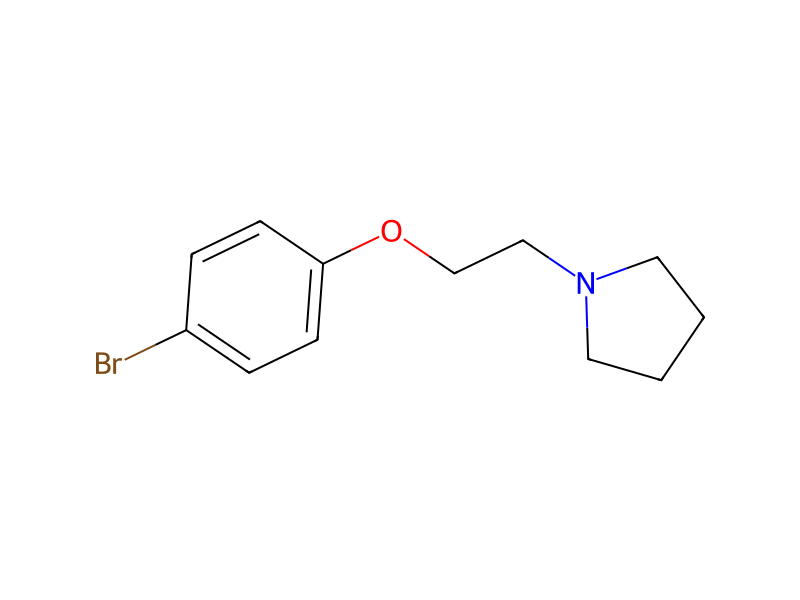
N-(2-(p-bromophenoxy)ethyl)pyrrolidine → [5-(1-Benzyl-1H-pyrazol-4-yl)-[1,2,4]triazolo[1,5-a]pyridin-2-yl]-[4-(2-pyrrolidin-1-yl-ethoxy)-phenyl]-amine

HRID 1971589
Drucken

Reaktionsgleichung

Reaktionsgleichung von HRID 1971589
[CH2:1]([N:8]1[CH:12]=[C:11]([C:13]2[N:18]3[N:19]=[C:20]([NH2:22])[N:21]=[C:17]3[CH:16]=[CH:15][CH:14]=2)[CH:10]=[N:9]1)[C:2]1[CH:7]=[CH:6][CH:5]=[CH:4][CH:3]=1.Br[C:24]1[CH:37]=[CH:36][C:27]([O:28][CH2:29][CH2:30][N:31]2[CH2:35][CH2:34][CH2:33][CH2:32]2)=[CH:26][CH:25]=1.CC1(C)C2C(=C(P(C3C=CC=CC=3)C3C=CC=CC=3)C=CC=2)OC2C(P(C3C=CC=CC=3)C3C=CC=CC=3)=CC=CC1=2.CC(C)([O-])C.[Na+]>C1C=CC(/C=C/C(/C=C/C2C=CC=CC=2)=O)=CC=1.C1C=CC(/C=C/C(/C=C/C2C=CC=CC=2)=O)=CC=1.C1C=CC(/C=C/C(/C=C/C2C=CC=CC=2)=O)=CC=1.[Pd].[Pd].CC(N(C)C)=O.O1CCOCC1>[CH2:1]([N:8]1[CH:12]=[C:11]([C:13]2[N:18]3[N:19]=[C:20]([NH:22][C:24]4[CH:25]=[CH:26][C:27]([O:28][CH2:29][CH2:30][N:31]5[CH2:32][CH2:33][CH2:34][CH2:35]5)=[CH:36][CH:37]=4)[N:21]=[C:17]3[CH:16]=[CH:15][CH:14]=2)[CH:10]=[N:9]1)[C:2]1[CH:7]=[CH:6][CH:5]=[CH:4][CH:3]=1

KomponentenReaktionsbedingungenVersuchsvorschriftAufarbeitungQuellen und NachweiseNotizen zur Reaktion

Komponenten

8

Edukt 4

HCID 70657N-(2-(p-bromophenoxy)ethyl)pyrrolidineHCID 6360441,1'-(9,9-Dimethyl-9H-xanthene-4,5-diyl)bis(1,1-diphenylphosphine)HCID 23676156Sodium t-butoxideHCID 445556945-(1-Benzyl-1H-pyrazol-4-yl)-[1,2,4]triazolo[1,5-a]pyridin-2-ylamine

Produkt 1

HCID 59590042
[5-(1-Benzyl-1H-pyrazol-4-yl)-[1,2,4]triazolo[1,5-a]pyridin-2-yl]-[4-(2-pyrrolidin-1-yl-ethoxy)-phenyl]-amine

Reagenzien, Katalysatoren, Lösungsmittel 3

HCID 9811564Bis(dibenzylideneacetone)palladiumKatalysatorHCID 312751,4-DioxaneLösungsmittelHCID 31374DimethylacetamideLösungsmittel

Reaktionsbedingungen

Temperatur
130 °C

Versuchsvorschrift

A microwave vial containing 5-(1-benzyl-1H-pyrazol-4-yl)-[1,2,4]triazolo[1,5-a]pyridin-2-ylamine (6.42 g, 22.1 mmol), 1-(2-(4-bromophenoxy)ethyl)pyrrolidine (5.1 mL, 24.3 mmol), tris(dibenzylideneacetone)dipalladium (0.633 g, 1.11 mmol), xantphos (1.28 g, 2.22 mmol), sodium tert-butoxide (4.34 g, 44.2 mmol) and 1,4-dioxane (50 mL) was heated under microwave irradiation (130° C., 15 min). Dimethylacetamide (2.5 mL) was added to assist with microwave absorption. The volatiles were removed under rotary evaporation, and the residue partitioned between ethyl acetate and water. The aqueous phase was extracted with ethyl acetate and the combined organics washed with water followed by brine. The organic phase was dried over magnesium sulfate, concentrated in vacuo and after trituration with the minimum amount of dichloromethane in diethylether afforded a pale yellow solid. Yield: 8.12 g, 77%; LCMS method: 2, RT: 2.52 min, MI: 480 [M+1].

Aufarbeitung

  1. customto assist with microwave absorption
  2. customThe volatiles were removed under rotary evaporation
  3. customthe residue partitioned between ethyl acetate and water
  4. extractionThe aqueous phase was extracted with ethyl acetate
  5. washthe combined organics washed with water
  6. dry with materialThe organic phase was dried over magnesium sulfate
  7. concentrationconcentrated in vacuo
  8. customafter trituration with the minimum amount of dichloromethane in diethylether afforded a pale yellow solid

Quellen und Nachweise

ORD-Eintrag
ord-7c8e97d993a149f297d3d933195fbc73
Quelldatensatz
uspto-grants-2013_04
DOI
10.6084/m9.figshare.5104873.v1
Patentnummer
US08431596B2

Notizen zur Reaktion

Auf dieser SeiteKomponentenReaktionsbedingungenVersuchsvorschriftAufarbeitungQuellen und NachweiseNotizen zur Reaktion


