Bromine → 4-bromo-5-[(1,3-dioxo-1,3-dihydro-2H-isoindol-2-yl)methyl]-1-methyl-1H-pyrazole-3-carbonitrile
HRID 1984519
Reaktionsgleichung

[O:1]=[C:2]1[C:10]2[C:5](=[CH:6][CH:7]=[CH:8][CH:9]=2)[C:4](=[O:11])[N:3]1[CH2:12][C:13]1[N:17]([CH3:18])[N:16]=[C:15]([C:19]#[N:20])[CH:14]=1.[Br:21]Br.C([O-])(=O)C.[K+].S([O-])(O)(=O)=O.[Na+]>>[Br:21][C:14]1[C:15]([C:19]#[N:20])=[N:16][N:17]([CH3:18])[C:13]=1[CH2:12][N:3]1[C:2](=[O:1])[C:10]2[C:5](=[CH:6][CH:7]=[CH:8][CH:9]=2)[C:4]1=[O:11]Komponenten
5



Versuchsvorschrift
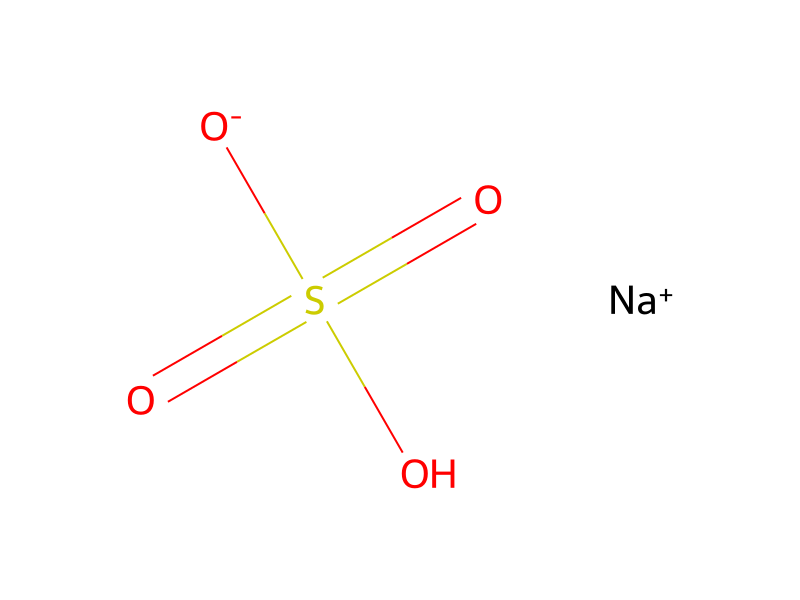
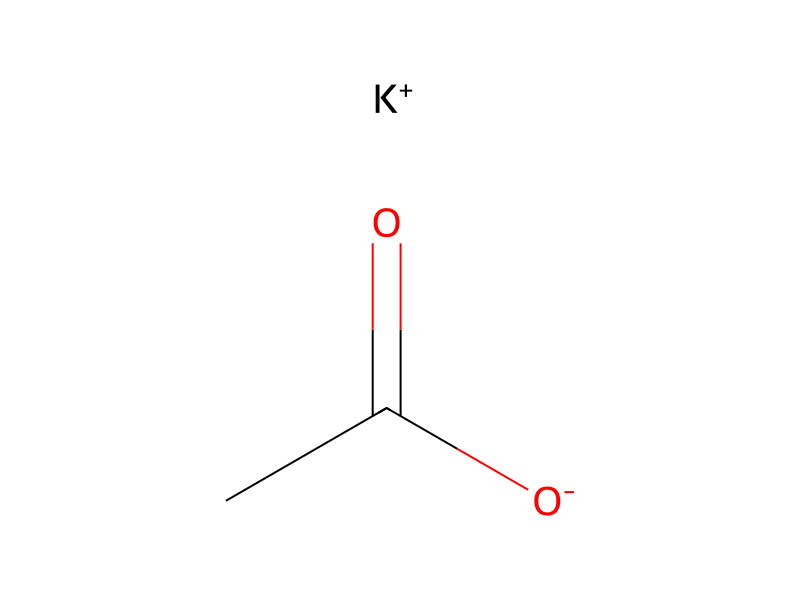
5-[(1,3-Dioxo-1,3-dihydro-2H-isoindol-2-yl)methyl]-1-methyl-1H-pyrazole-3-carbonitrile (1.57 g, 5.90 mmol) was brominated using a modified version of the method described in Part F of Examples 1-4. In the reaction, 1.4 equivalents of bromine were used instead of 1.1 equivalents. After the reaction was stirred for two days, additional potassium acetate (1.31 g) and bromine (0.211 mL) were added, and the reaction was stirred for five more days. After the addition of sodium hydrogensulfate, most of the acetic acid was removed under reduced pressure, and 2 M aqueous sodium carbonate was added. A solid formed and was isolated by filtration, washed with water, and dried on the vacuum filter funnel to provide 1.85 g of 4-bromo-5-[(1,3-dioxo-1,3-dihydro-2H-isoindol-2-yl)methyl]-1-methyl-1H-pyrazole-3-carbonitrile as a white solid.