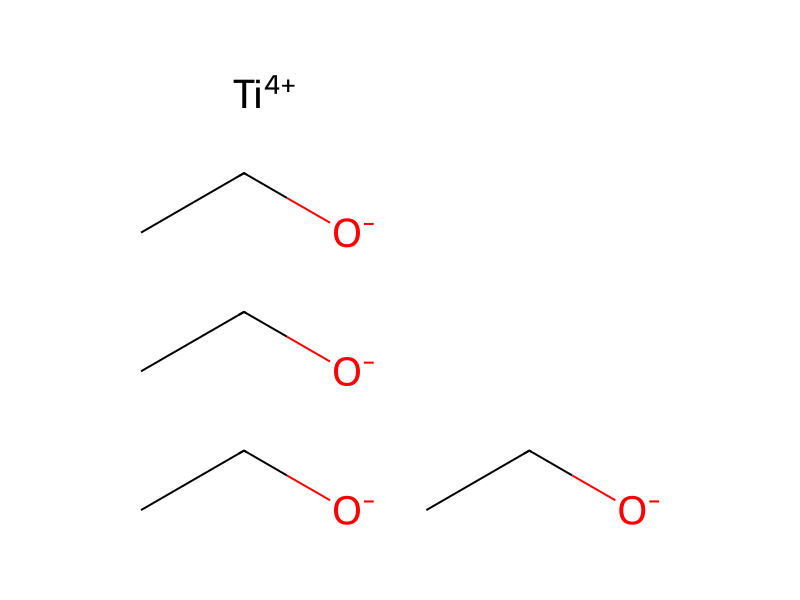
[Br:1][C:2]1[CH:7]=[CH:6][C:5]([CH:8]([CH3:10])C)=[CH:4][N:3]=1.[CH3:11][C:12]([S@@:15]([NH2:17])=[O:16])([CH3:14])[CH3:13]>ClC(Cl)C.CCOCC.O.[O-]CC.[Ti+4].[O-]CC.[O-]CC.[O-]CC>[Br:1][C:2]1[N:3]=[CH:4][C:5](/[C:8](=[N:17]/[S:15]([C:12]([CH3:14])([CH3:13])[CH3:11])=[O:16])/[CH3:10])=[CH:6][CH:7]=1To a solution of 2-bromo-5-isopropyl-pyridine (2.0 g, 9.99 mmol) in dichloroethane (15 mL) was added (S)-(−)-2-methyl-propane-2-sulfinic acid amide (1.45 g, 11.72 mmol) and titanium(IV) ethoxide (4.15 mL, 19.99 mmol). The mixture was heated at 110° C. in a microwave. After 2 h, the mixture was diluted with ether (20 mL) and water (6 mL). The mixture was stirred for 10 minutes. The layers were separated and the organic layer was dried over magnesium sulfate, filtered and concentrated to afford a residue. The crude residue was purified by normal phase flash chromatography on silica gel using ethyl acetate-dichloromethane (0-40%) to afford 2-methyl-propane-2-sulfinic acid[1-(6-bromo-pyridin-3-yl)-eth-(E)-ylidene]-amide (2.0 g, 66%).