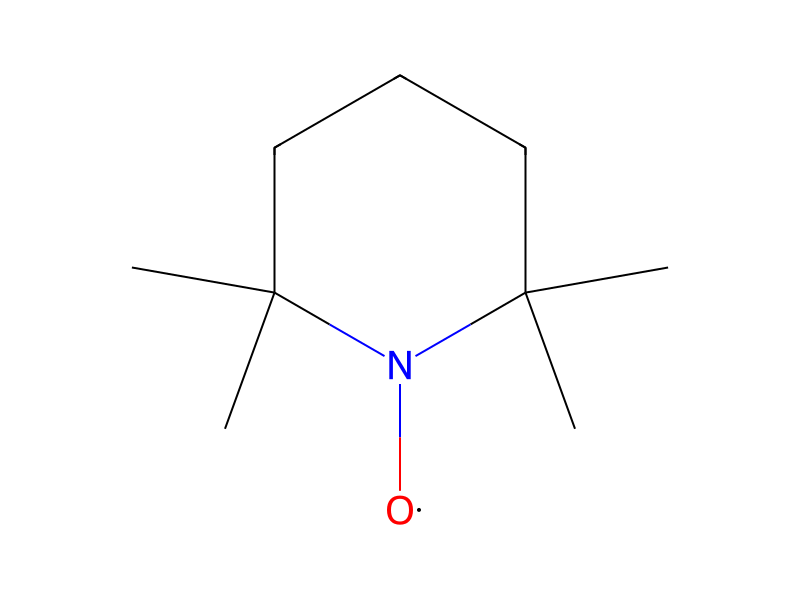
To 9-bromo-3-(2-bromo-1-hydroxyethyl)-10,11-dihydro-5H-dibenzo[c,g]chromen-8(9H)-one (approx. 54.4 mmol) in DCM (365 mL) was added sodium bicarbonate (5.45 g), sodium bromide (6.14 g), TEMPO (16.55 mg) and water (60 mL). The solution was cooled between 0-5° C. and 6% bleach (91.5 mL) was added. After 1 h isopropyl alcohol (20 mL) was added and the reaction mixture was warmed to room temperature. Agitation was stopped, the layers separated and the lower organic layer was collected and concentrated removing approximately 345g of solvent. The slurry was filtered and the cake washed with 50 mL water and then 50 mL DCM (pre-cooled to 5° C.). The solids were collected and dried under vacuum to obtain 9-bromo-3-(2-bromoacetyl)-10,11-dihydro-5H-dibenzo[c,g]chromen-8(9H)-one (18.6 g, 76% yield). 400 MHz 1H NMR (CDCl3) δ 8.03-8.01 (m, 1H), 7.85 (d, J=8.2 Hz, 1H), 7.82 (s, 1H), 7.71 (s, 1H), 7.67 (s, 1H), 5.19 (s, 2H), 4.74 (dd, J=4.1, 4.1 Hz, 1H), 4.45 (s, 2H), 3.37-3.29 (m, 1H), 2.99-2.92 (m, 1H), 2.59-2.46 (m, 2H); 100 MHz 13C NMR (CDCl3) δ 190.4, 189.6, 154.2, 136.6, 134.1, 133.9, 132.9, 131.8, 129.3, 127.2, 125.6, 124.2, 123.3, 117.0, 68.1, 49.9, 31.8, 30.4, 25.5.