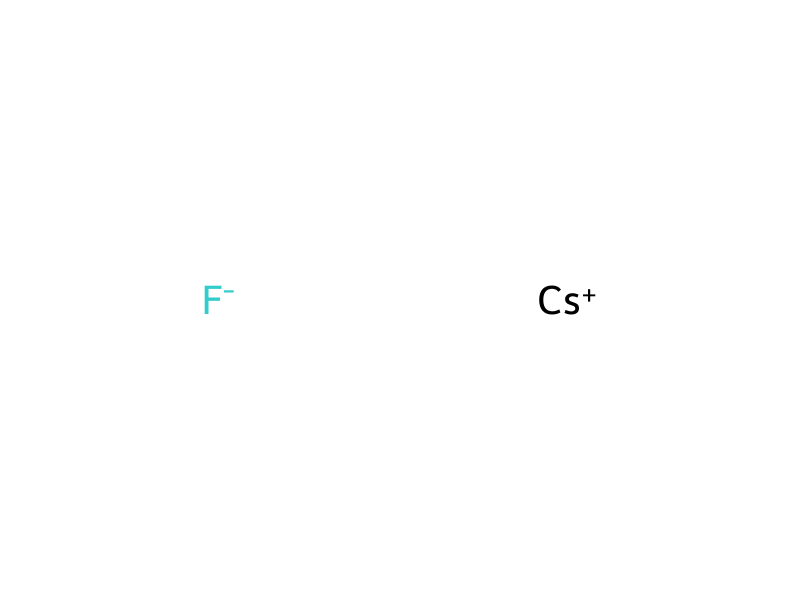
A mixture containing 5-bromomethylene-2(5H)furanone (0.175 g, 1 mmol), 2-thiopheneboronic acid (0.154 g, 1.2 mmol), trans-dichlorobis(triphenylphosphine)palladium (II) (0.035 g, 0.05 mmol), tetrabutylammonium iodide (0.018 g, 0.05 mmol) and cesium fluoride (0.456 g, 3 mmol) in toluene (10 mL) and water (10 mL) were stirred at reflux for 24 hours under nitrogen. After cooling, brine (50 mL) was added and the product extracted with ethyl acetate (50 mL×3). The organic fractions were combined, washed with brine (50 mL×3), dried over anhydrous sodium sulfate and evaporated to dryness to give a brown solid. The resulting solid was chromatographed (silica gel: eluent 50:50 dichloromethane/light petroleum) giving the desired product 32 as a yellow powder. Yield 0.170 g (95%), m.p. 100-102° C. 1H NMR (CDCl3) δ 7.50 (d, J=4.9 Hz, 1H, H3′), 7.46 (d, J=5.3 Hz, 1H, H4), 7.38 (d, J=3.4 Hz, 1H, H5′), 7.08-7.05 (m, 1H, H4′), 6.31 (s, 1H, H6), 6.17 (d, J=5.3 Hz, 1H, H3). 13C NMR (CDCl3, 75 MHz) δ 169.5 (C), 146.6 (C), 143.8 (CH), 136.0 (C), 131.3 (CH), 130.7 (CH), 127.7 (CH), 118.0 (CH), 107.5 (CH). IR (Nujol) 1777, 1738, 1459, 1417, 1376, 1107, 935, 886, 731 cm−1.