StartseiteMCPSkillsWorkbenchOpenChem
StartseiteWorkbenchBenachrichtigungenMein Bereich
llms.txt · skill.md · MCP-AnleitungDatenschutz · Nutzungsbedingungen · Supportv1.8.5
  1. Startseite
  2. /Reaktion

Carbon Dioxide → 4-oxo-2-(3,4,5-trimethoxyphenyl)-4H-chromene-3-carboxylic acid

HRID 2050678
Drucken

Reaktionsgleichung

C(NC(C)C)(C)C.C([Li])CCC.CCCCCC.[CH3:19][O:20][C:21]1[CH:22]=[C:23]([CH:35]=[C:36]([O:40][CH3:41])[C:37]=1[O:38][CH3:39])[C:24]1[O:25][C:26]2[C:31]([C:32](=[O:34])[CH:33]=1)=[CH:30][CH:29]=[CH:28][CH:27]=2.C([N-]C(C)C)(C)C.[Li+].[C:50](=[O:52])=[O:51]>O1CCCC1>[CH3:41][O:40][C:36]1[CH:35]=[C:23]([CH:22]=[C:21]([O:20][CH3:19])[C:37]=1[O:38][CH3:39])[C:24]1[O:25][C:26]2[C:31]([C:32](=[O:34])[C:33]=1[C:50]([OH:52])=[O:51])=[CH:30][CH:29]=[CH:28][CH:27]=2
KomponentenReaktionsbedingungenVersuchsvorschriftAufarbeitungQuellen und NachweiseNotizen zur Reaktion

Komponenten

7

Edukt 5

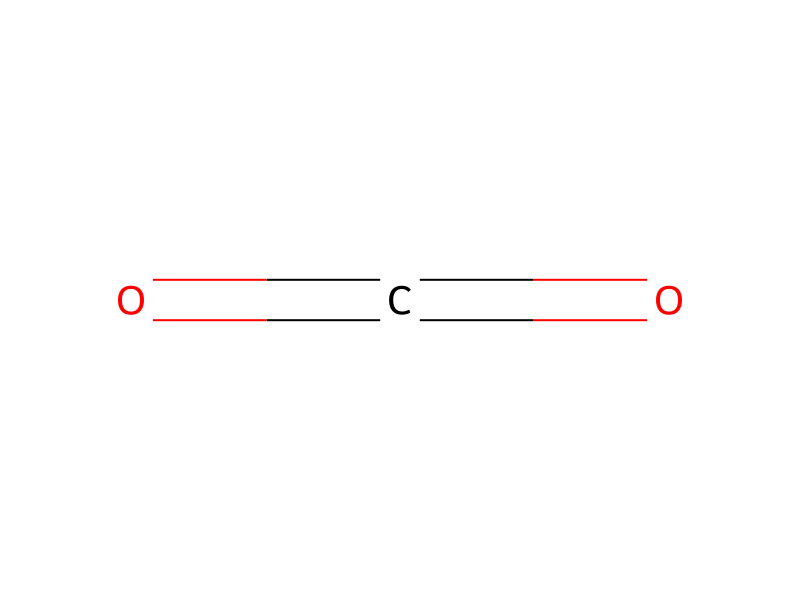
HCID 280Carbon DioxideHCID 7912DiisopropylamineHCID 3322083',4',5'-TrimethoxyflavoneHCID 2724682Lithium diisopropylamideHCID 178418244HCID 178418244, Verbindung

Produkt 1

HCID 143049774-oxo-2-(3,4,5-trimethoxyphenyl)-4H-chromene-3-carboxylic acid

Reagenzien, Katalysatoren, Lösungsmittel 1

HCID 8028TetrahydrofuranLösungsmittel3×

Reaktionsbedingungen

Temperatur
-60 °C

Versuchsvorschrift

9.9 ml Diisopropylamine were reacted with 12 ml tetrahydrofuran under a nitrogen atmosphere, and 44.5 ml 1.6 n butyllithium/n-hexane were added at 0° C. to this mixture, and the mixture was cooled to -60° C. Then a further 50 ml of absolute tetrahydrofuran were added, and the solution was cooled to -78° C. A solution of 15 g 3',4',5'-trimethoxyflavone in 500 ml of absolute tetrahydrofuran cooled to about -60° C. was then quickly added to the lithium diisopropylamide solution. After three minutes 10 g of freshly crushed dry ice (CO2, -78° C.) were added. Then the cooling was removed, and the mixture was allowed to warm to room temperature, excess gaseous carbon dioxide being stirred out of the solution. The reaction mixture was worked up by adjusting to pH1 with half-concentrated hydrochloric acid and extracted with dichloromethane. The dichloromethane phase was shaken with an aqueous saturated sodium bicarbonate solution (about 100 ml). The aqueous phase was separated and carefully brought to pH1 with concentrated hydrochloric acid, whereby the resulting 3',4',5'-trimethoxyflavone-3-carboxylic acid precipitated out. The precipitated product was extracted from the reaction mixture with dichloromethane. The dichloromethane phase was separated, dried over sodium sulfate and concentrated, whereupon the product crystallized. 14.75 g of 3',4',5'-trimethoxyflavone-3-carboxylic acid were obtained.

Aufarbeitung

  1. temperaturethe solution was cooled to -78° C
  2. customThen the cooling was removed
  3. temperatureto warm to room temperature
  4. extractionextracted with dichloromethane
  5. stirringThe dichloromethane phase was shaken with an aqueous saturated sodium bicarbonate solution (about 100 ml)
  6. customThe aqueous phase was separated
  7. customprecipitated out
  8. extractionThe precipitated product was extracted from the reaction mixture with dichloromethane
  9. customThe dichloromethane phase was separated
  10. dry with materialdried over sodium sulfate
  11. concentrationconcentrated, whereupon the product
  12. customcrystallized

Quellen und Nachweise

ORD-Eintrag
ord-e6f4c0e7b59742e298ccd54e09423079
Quelldatensatz
uspto-grants-1991_05
DOI
10.6084/m9.figshare.5104873.v1
Patentnummer
US05013852

Notizen zur Reaktion

Auf dieser SeiteKomponentenReaktionsbedingungenVersuchsvorschriftAufarbeitungQuellen und NachweiseNotizen zur Reaktion

