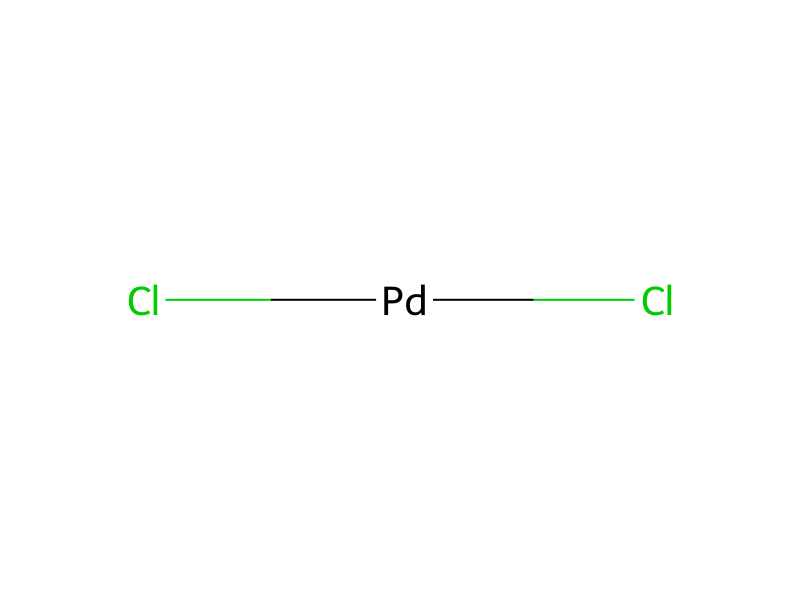
C([CH2:8][NH:9][C:10]([CH3:22])([CH3:21])[CH2:11][NH:12][C:13](=[O:20])[C:14]1[CH:19]=[CH:18][CH:17]=[CH:16][CH:15]=1)C1C=CC=CC=1.Cl.C(OCC)(=O)C.Cl.CNC(C)(C)CNC(=O)C1C=CC=CC=1>C(O)(=O)C.CCOCC.[Pd](Cl)Cl>[CH3:8][NH:9][C:10]([CH3:22])([CH3:21])[CH2:11][NH:12][C:13](=[O:20])[C:14]1[CH:19]=[CH:18][CH:17]=[CH:16][CH:15]=1N-[2-benzylmethylamino-2-methylpropyl]benzamide (3.55 g.,) was dissolved in glacial acetic acid (30 ml.) and hydrogenated over palladium chloride (140 mg.) 320 ml of H2 was taken up. The catalyst was filtered and the filtrate washed with ether (2 × 100 ml.). The filtrate was then made alkaline with 5N sodium hydroxide and extracted with ether (3 × 60 cm3). The ether extracts were dried (anhyd. Na2SO4), filtered and the excess ether evaporated under reduced pressure to give a liquid residue (2.7 g.) the liquid was dissolved in ether (30 ml.). To this was added ethereal HCl in a dropwise manner. The excess ether was evaporated under reduced pressure to give a sticky solid which was refluxed with ethyl acetate for two hours. On cooling crystals of N-[2-methylamino-2-methylpropyl]benzamide hydrochloride were obtained in 70% yield.