Bromine → [1-(3-Bromo-4-{3-[(2r)-2-methylpyrrolidin-1-yl]propoxy}phenyl)-1h-pyrazol-4-yl](morpholin-4-yl)methanone
HRID 215780
Reaktionsgleichung

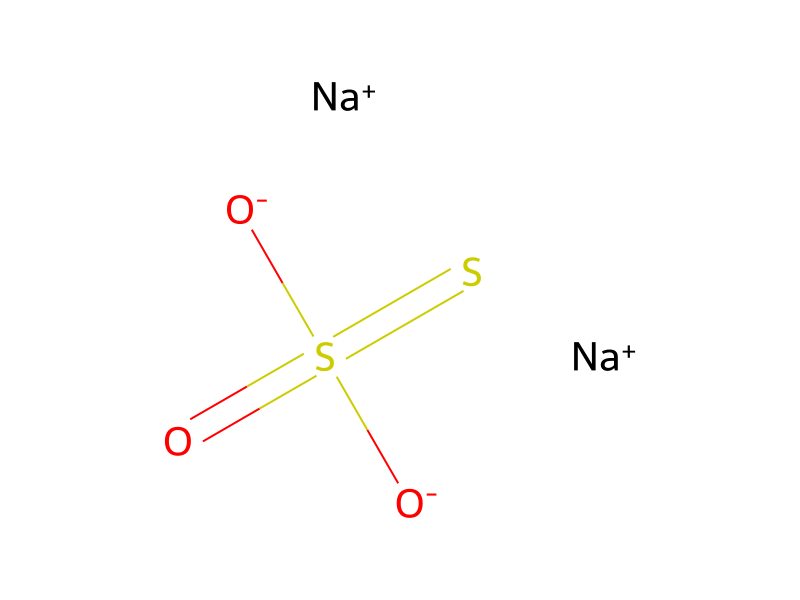
[CH3:1][C@@H:2]1[CH2:6][CH2:5][CH2:4][N:3]1[CH2:7][CH2:8][CH2:9][O:10][C:11]1[CH:16]=[CH:15][C:14]([N:17]2[CH:21]=[C:20]([C:22]([N:24]3[CH2:29][CH2:28][O:27][CH2:26][CH2:25]3)=[O:23])[CH:19]=[N:18]2)=[CH:13][CH:12]=1.[Br:30]Br>C(O)(=O)C.S([O-])([O-])(=O)=S.[Na+].[Na+]>[Br:30][C:12]1[CH:13]=[C:14]([N:17]2[CH:21]=[C:20]([C:22]([N:24]3[CH2:25][CH2:26][O:27][CH2:28][CH2:29]3)=[O:23])[CH:19]=[N:18]2)[CH:15]=[CH:16][C:11]=1[O:10][CH2:9][CH2:8][CH2:7][N:3]1[CH2:4][CH2:5][CH2:6][C@H:2]1[CH3:1]Komponenten
5