StartseiteMCPWorkbenchSkills
StartseiteWorkbenchBenachrichtigungenMein Bereich
llms.txt · MCP-AnleitungDatenschutz · Nutzungsbedingungen · Supportv1.8.3
  1. Startseite
  2. /Reaktion

Lithium Hydroxide → HCID 90077558, Verbindung

HRID 2203263
Drucken

Reaktionsgleichung

Reaktionsgleichung von HRID 2203263
[Cl:1][C:2]1[N:3]=[C:4]2[C:9](=[CH:10][CH:11]=1)[N:8]=[CH:7][C:6]([C:12](OCC)=[O:13])=[C:5]2[NH:17][C:18]1[CH:23]=[CH:22][C:21]([C:24]([C:27]#[N:28])([CH3:26])[CH3:25])=[CH:20][CH:19]=1.[OH-].[Li+].C(Cl)(=O)C(Cl)=O.C(N(CC)CC)C.[CH3:44][O:45][C:46]1[CH:53]=[CH:52][C:49]([CH2:50][NH2:51])=[CH:48][CH:47]=1>CO.O1CCCC1.ClCCl.O.CN(C=O)C>[Cl:1][C:2]1[N:3]=[C:4]2[C:9](=[CH:10][CH:11]=1)[N:8]=[CH:7][C:6]([C:12]([NH:51][CH2:50][C:49]1[CH:52]=[CH:53][C:46]([O:45][CH3:44])=[CH:47][CH:48]=1)=[O:13])=[C:5]2[NH:17][C:18]1[CH:19]=[CH:20][C:21]([C:24]([C:27]#[N:28])([CH3:25])[CH3:26])=[CH:22][CH:23]=1
KomponentenVersuchsvorschriftAufarbeitungQuellen und NachweiseNotizen zur Reaktion

Komponenten

11

Edukt 5

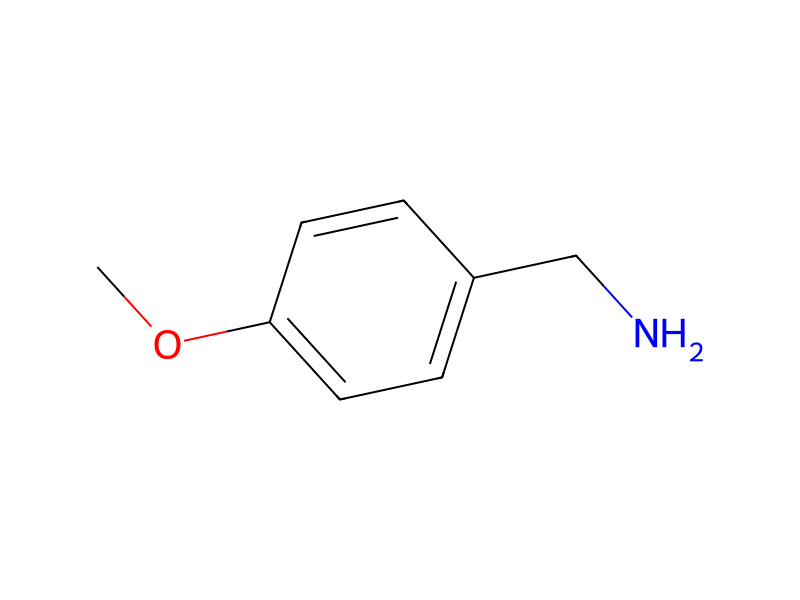
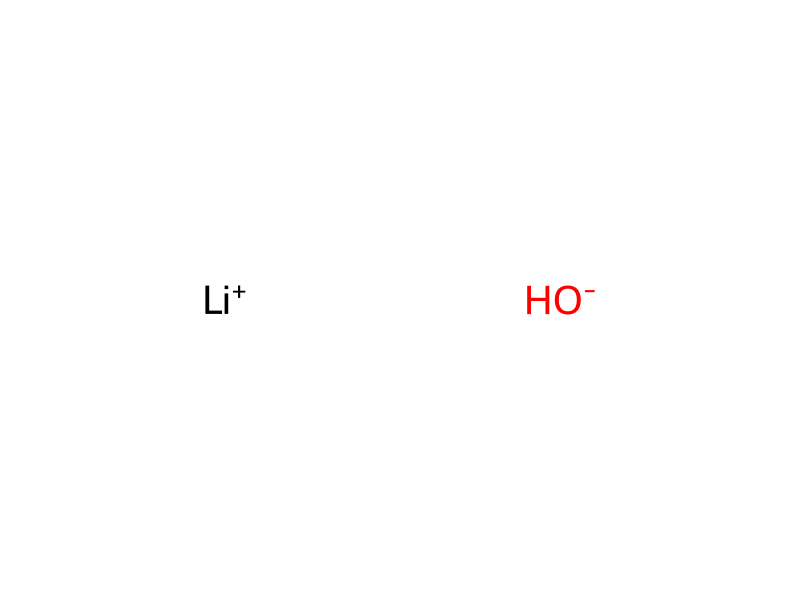
HCID 3939Lithium HydroxideHCID 8471TriethylamineHCID 65578Oxalyl chlorideHCID 754524-MethoxybenzylamineHCID 89589794Ethyl 6-chloro-4-((4-(2-cyanopropan-2-yl)phenyl)amino)-1,5-naphthyridine-3-carboxylate

Produkt 1

HCID 90077558
HCID 90077558, Verbindung
Ausbeute 47 %

Reagenzien, Katalysatoren, Lösungsmittel 5

HCID 887MethanolLösungsmittelHCID 962WaterLösungsmittelHCID 6228DimethylformamideLösungsmittelHCID 6344DichloromethaneLösungsmittel2×HCID 8028TetrahydrofuranLösungsmittel

Versuchsvorschrift

ethyl 6-chloro-4-((4-(2-cyanopropan-2-yl)phenyl)amino)-1,5-naphthyridine-3-carboxylate (6.9 g, 17.5 mmol) was dissolved in 50 mL methanol and 50 mL tetrahydrofuran. To the resulting mixture was added dropwise 50 mL of an aqueous lithium hydroxide (2.2 g, 52.4 mmol) solution at room temperature. After the completion of the dropwise addition, the resulting mixture was reacted at room temperature for 4 hrs. The reaction was concentrated. 200 mL water was added. The resulting mixture was adjusted with hydrochloric acid to pH=2-3. The solid was separated, and dried in vacuum to obtain a yellow solid, which was then dispersed in 100 mL dichloromethane. 0.05 mL DMF was added. To the resulting mixture was added dropwise oxalyl chloride (4.2 g, 33.3 mmol) under an ice bath. After the completion of the dropwise addition, the reaction mixture was warmed up to room temperature and reacted for 4 hrs. The reaction was evaporated under a reduced pressure to remove the solvent, then dissolved in 100 mL dichloromethane. To the resulting mixture was added dropwise a mixture of triethylamine (5.0 g, 49.8 mmol) and para-methoxybenzylamine (2.7 g, 19.9 mmol) under an ice bath. After the completion of the dropwise addition, the reaction mixture was reacted at room temperature for 15 hrs. 50 mL water and 100 mL DCM were added. The phases were separated. The aqueous phase was extracted with 100 mL DCM. The organic phases were combined, dried over anhydrous sodium sulfate, and concentrated. The resulting crude product was separated by silicagel column chromatography (EtOAc/PE=1/10-3/2) to obtain a pale yellow solid (4.0 g).

Aufarbeitung

  1. additionAfter the completion of the dropwise addition
  2. customthe resulting mixture was reacted at room temperature for 4 hrs
  3. concentrationThe reaction was concentrated
  4. addition200 mL water was added
  5. customThe solid was separated
  6. customdried in vacuum
  7. customto obtain a yellow solid, which
  8. additionAfter the completion of the dropwise addition
  9. customreacted for 4 hrs
  10. customThe reaction was evaporated under a reduced pressure
  11. customto remove the solvent
  12. dissolutiondissolved in 100 mL dichloromethane
  13. additionTo the resulting mixture was added dropwise
  14. additionAfter the completion of the dropwise addition
  15. customthe reaction mixture was reacted at room temperature for 15 hrs
  16. customThe phases were separated
  17. extractionThe aqueous phase was extracted with 100 mL DCM
  18. dry with materialdried over anhydrous sodium sulfate
  19. concentrationconcentrated
  20. customThe resulting crude product was separated by silicagel column chromatography (EtOAc/PE=1/10-3/2)

Quellen und Nachweise

ORD-Eintrag
ord-a694be5d17c74eba940f0bdab0d32e76
Quelldatensatz
uspto-grants-2016_06
DOI
10.6084/m9.figshare.5104873.v1
Patentnummer
US09365572B2

Notizen zur Reaktion

Auf dieser SeiteKomponentenVersuchsvorschriftAufarbeitungQuellen und NachweiseNotizen zur Reaktion