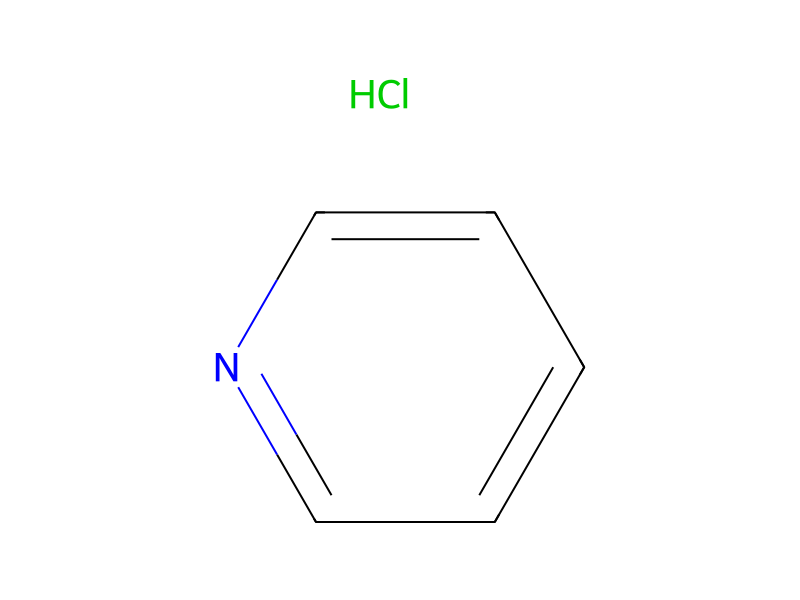
Cl[C:2]1[C:11]2[C:6](=[CH:7][C:8]([Cl:15])=[C:9]([N+:12]([O-:14])=[O:13])[CH:10]=2)[N:5]=[CH:4][C:3]=1[C:16]#[N:17].Cl.N1C=CC=CC=1.[Cl:25][C:26]1[C:32]([O:33][CH3:34])=[CH:31][C:29]([NH2:30])=[C:28]([CH3:35])[CH:27]=1.C(=O)(O)[O-].[Na+]>C(OCCO)C.O>[Cl:15][C:8]1[CH:7]=[C:6]2[C:11]([C:2]([NH:30][C:29]3[CH:31]=[C:32]([O:33][CH3:34])[C:26]([Cl:25])=[CH:27][C:28]=3[CH3:35])=[C:3]([C:16]#[N:17])[CH:4]=[N:5]2)=[CH:10][C:9]=1[N+:12]([O-:14])=[O:13]To a stirred suspension of 0.9 g (3.3 mmol) of 4,7-dichloro-6-nitro-3-quinolinecarbonitrile and pyridine hydrochloride (0.381 g, 3.3 mmol) in 2-ethoxyethanol (10 mL) under nitrogen, is added 0.634 g (3.69 mmol) of 4-chloro-5-methoxy-2-methylaniline (WO 8501939 A1). The reaction is stirred at 120° C. for 4 hours. The mixture is then cooled to room temperature and solid sodium bicarbonate is added until foaming subsided. Water is added to the reaction mixture (40 mL), which is subsequently extracted with 3×30 mL ethyl acetate. After combining the organic portions and drying with sodium sulfate, the solvents are removed in vacuo. The residue obtained is purified by flash chromatography, eluting with 99.5:0.5 methylene chloride/methanol. The solid obtained is recrystallized from hot ethyl acetate to afford 1.1 g of an orange crystalline solid, mp 217–219° C.