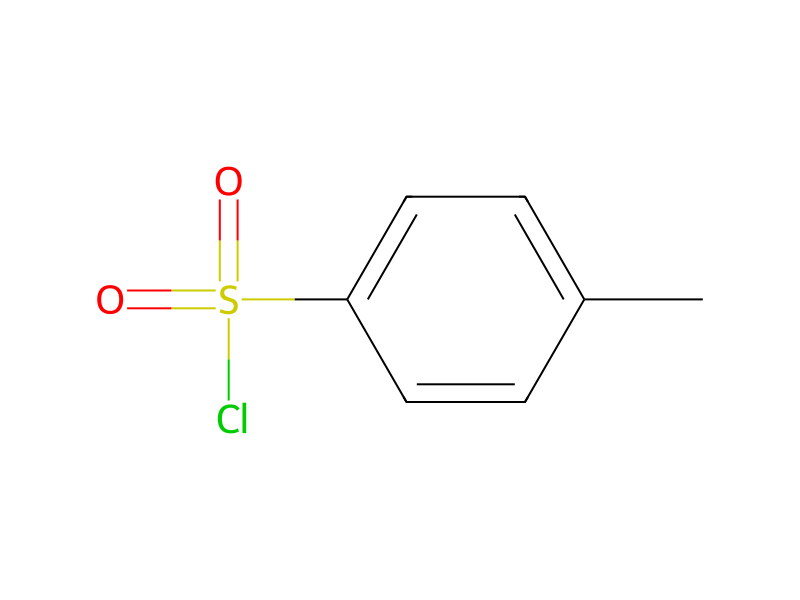
A solution of (1,4-dioxa-spiro[4.5]dec-8-yl)-methanol (1.60 g, 9.29 mmol) in methylene chloride (50 mL) was treated with 4-(dimethylamino)pyridine (1.26 g, 10.22 mmol) and p-toluenesulfonyl chloride (1.86 g, 9.75 mmol). The reaction mixture was stirred at 25° C. for 2 h, and was then washed with a saturated aqueous sodium bicarbonate solution (1×25 mL). The organic layer was dried over magnesium sulfate, filtered, and concentrated in vacuo. The resulting oil was dissolved in acetone (30 mL) and treated with sodium iodide (4.73 g, 31.53 mmol). The reaction was heated under reflux for 2 h, cooled to 25° C., and then concentrated in vacuo. The resulting residue was suspended in ethyl acetate (50 mL), washed with water (2×15 mL), dried over magnesium sulfate, filtered, and concentrated in vacuo. Biotage chromatography (FLASH 40S, Silica, 19/1 hexanes/ethyl acetate) afforded 8-iodomethyl-1,4-dioxa-spiro[4.5]decane (2.32 g, 88.6%) as a colorless oil.