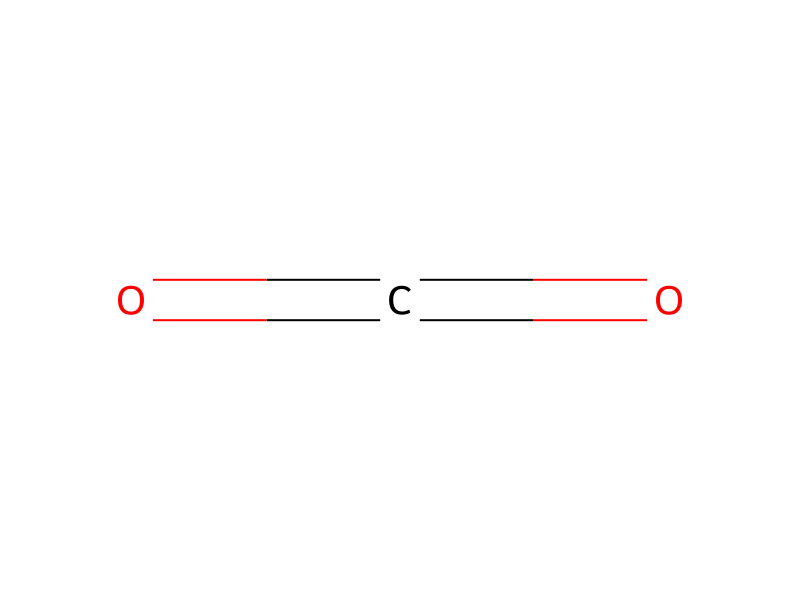
C([Li])CCC.[CH2:6]([O:13][C:14]1[CH:19]=[CH:18][C:17](Br)=[C:16]([CH2:21][CH3:22])[CH:15]=1)[C:7]1[CH:12]=[CH:11][CH:10]=[CH:9][CH:8]=1.[C:23](=[O:25])=[O:24].O>CCCCCC.O1CCCC1.C1(C)C=CC=CC=1>[CH2:6]([O:13][C:14]1[CH:19]=[CH:18][C:17]([C:23]([OH:25])=[O:24])=[C:16]([CH2:21][CH3:22])[CH:15]=1)[C:7]1[CH:12]=[CH:11][CH:10]=[CH:9][CH:8]=1A 1.59 mol/L solution of n-butyllithium in n-hexane (2.28 mL) was added to a solution of 4-benzyloxy-1-bromo-2-ethylbenzene (0.96 g) in tetrahydrofuran (5.35 mL) at −78° C. with stirring. The mixture was stirred for 1.5 hrs at that temperature, poured to dry ice (33 g) slowly, and then tetrahydrofuran (2 mL) was added. The mixture was stirred at room temperature for 40 minutes, and water, toluene and tetrahydrofuran were added. The organic layer was separated, and extracted with a 1 mol/L aqueous solution of sodium hydroxide. These aqueous layers were combined, and was adjusted to pH 3 with an addition of concentrated hydrochloric acid. The aqueous layer was extracted with ethyl acetate. The organic layer was washed with brine, and dried over anhydrous magnesium sulfate. The solvent was evaporated under reduced pressure to afford the title compound (0.432 g).