StartseiteMCPWorkbenchSkills
StartseiteWorkbenchBenachrichtigungenMein Bereich
llms.txt · MCP-AnleitungDatenschutz · Nutzungsbedingungen · Supportv1.8.3
  1. Startseite
  2. /Reaktion

Ammonium Chloride → HCID 21285527, Verbindung

HRID 2231665
Drucken

Reaktionsgleichung

Reaktionsgleichung von HRID 2231665
C([Li])CCC.[CH3:6][O:7][C:8]1[CH:13]=[CH:12][C:11](Br)=[CH:10][N:9]=1.[NH2:15][C:16]1[C:23]([CH3:24])=[CH:22][C:21](I)=[CH:20][C:17]=1[CH2:18][OH:19].[Cl-].[NH4+]>CCCCCC.O1CCCC1.[Cl-].[Zn+2].[Cl-].[Pd].C1(P(C2C=CC=CC=2)C2C=CC=CC=2)C=CC=CC=1.C1(P(C2C=CC=CC=2)C2C=CC=CC=2)C=CC=CC=1.C1(P(C2C=CC=CC=2)C2C=CC=CC=2)C=CC=CC=1.C1(P(C2C=CC=CC=2)C2C=CC=CC=2)C=CC=CC=1>[NH2:15][C:16]1[C:23]([CH3:24])=[CH:22][C:21]([C:11]2[CH:12]=[CH:13][C:8]([O:7][CH3:6])=[N:9][CH:10]=2)=[CH:20][C:17]=1[CH2:18][OH:19]
KomponentenVersuchsvorschriftAufarbeitungQuellen und NachweiseNotizen zur Reaktion

Komponenten

9

Edukt 4

HCID 25517Ammonium ChlorideHCID 27348955-Bromo-2-methoxypyridineHCID 54083854(2-Amino-5-iodo-3-methylphenyl)methanolHCID 178418339Butyllithium

Produkt 1

HCID 21285527HCID 21285527, Verbindung

Reagenzien, Katalysatoren, Lösungsmittel 4
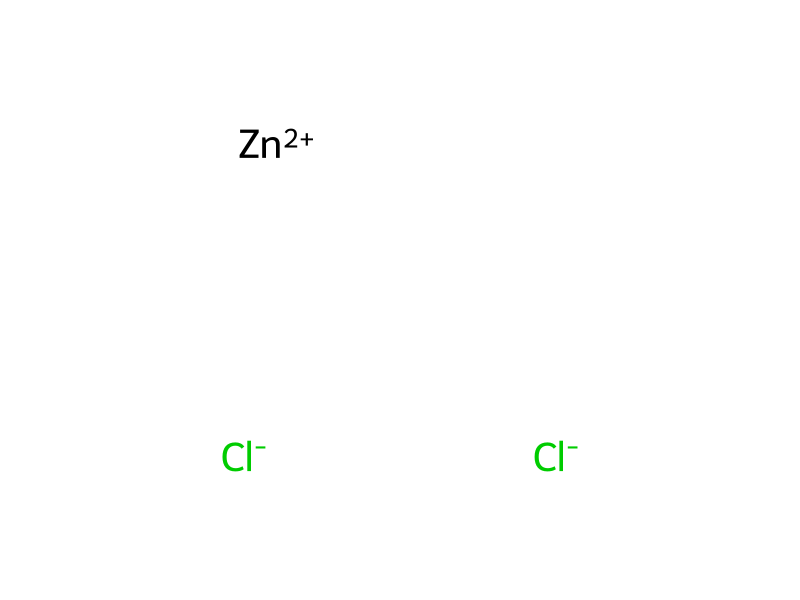
HCID 3007855
Sinkkikloridi
Katalysator
HCID 11979704Tetrakis(triphenylphosphine)palladiumKatalysator
HCID 8028TetrahydrofuranLösungsmittel2×
HCID 8058HexaneLösungsmittel

Versuchsvorschrift

n-Butyllithium (33 cm3 of a 1.6M solution in n-hexane) was added to a stirred solution of 2-methoxy-5-bromopyridine (9.4g) in tetrahydrofuran (THF) (70 cm3) at -70° under nitrogen. After stirring for 1 hour at -70° the mixture treated with a solution of anhydrous zinc chloride (14.2 g) in THF (70 cm3) and the mixture was warmed to room temperature. 2-Amino-5-iodo-3-methylbenzyl alcohol (3.9 g--see preparation 8) and tetrakis(triphenylphosphine) palladium (0) (0.4 g) were added and the mixture heated under reflux for 3 hours. Saturated ammonium chloride solution (50 cm3) was added to the cooled solution and the mixture was partitioned between ethyl acetate (300 cm3) and a solution of ethylenediaminetetraacetic acid disodium salt (20 g) in water (300 cm3). The aqueous phase was further extracted with ethyl acetate (300 cm3) and the combined and dried (MgSO4) organic phases were evaporated in vacuo to give a brown oil which was chromatographed on silica (Merck "MK 60.9385" [Trade Mark]) eluting with dichloromethane:methanol, 49:1. Combination and evaporation of appropriate fractions afforded the title compound as a waxy solid, m.p. 80°-82° (3.6 g), which was used directly without further purification.

Aufarbeitung

  1. temperaturethe mixture heated
  2. temperatureunder reflux for 3 hours
  3. customthe mixture was partitioned between ethyl acetate (300 cm3)
  4. extractionThe aqueous phase was further extracted with ethyl acetate (300 cm3)
  5. dry with materialdried (MgSO4) organic phases
  6. customwere evaporated in vacuo
  7. customto give a brown oil which
  8. customwas chromatographed on silica (Merck "MK 60.9385" [Trade Mark])
  9. washeluting with dichloromethane
  10. customCombination and evaporation of appropriate fractions

Quellen und Nachweise

ORD-Eintrag
ord-53e7fa192e054244b57984a2b86e24d0
Quelldatensatz
uspto-grants-1988_11
DOI
10.6084/m9.figshare.5104873.v1
Patentnummer
US04783467

Notizen zur Reaktion

Auf dieser SeiteKomponentenVersuchsvorschriftAufarbeitungQuellen und NachweiseNotizen zur Reaktion




