StartseiteMCPWorkbenchSkills
StartseiteWorkbenchBenachrichtigungenMein Bereich
llms.txt · MCP-AnleitungDatenschutz · Nutzungsbedingungen · Supportv1.8.0
  1. Startseite
  2. /Reaktion

Citric Acid → Nickel indium bismuth sulfate

HRID 2231979
Notizen
Druckvorschau

Reaktionsgleichung

Reaktionsgleichung von HRID 2231979
[S:1]([O-:5])([O-:4])(=[O:3])=[O:2].S(=O)(=O)([O-])[NH2:7].C(O)(=O)CC(CC(O)=O)(C(O)=O)O.C(=O)([O-])[O-].[Ni+2].[Ni:29](Cl)Cl.O.O.O.O.O.O.[Ni](Cl)Cl.S([O-])([O-])(=O)=O.[Ni+2].S(=O)(=O)(O)N.[In:52].[O-][Bi:54](=O)=O.[Na+]>O.Cl>[Ni:29].[In:52].[S:1]([O-:5])([O-:4])(=[O:3])=[O:2].[Bi+3:54].[S:1]([O-:5])([O-:4])(=[O:3])=[O:2].[S:1]([O-:5])([O-:4])(=[O:3])=[O:2].[Bi+3:54].[In:52].[S:1](=[O:2])(=[O:3])([O-:5])[NH2:7].[Bi+3:54].[S:1](=[O:2])(=[O:3])([O-:5])[NH2:7].[S:1](=[O:2])(=[O:3])([O-:5])[NH2:7]
KomponentenReaktionsbedingungenVersuchsvorschriftAufarbeitungQuellen und NachweiseNotizen zur Reaktion

Komponenten

14

Edukt 10

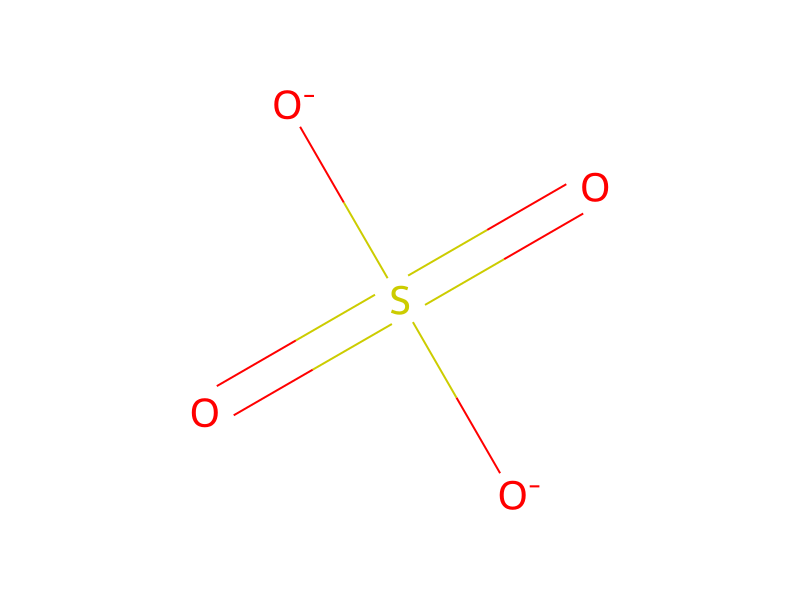
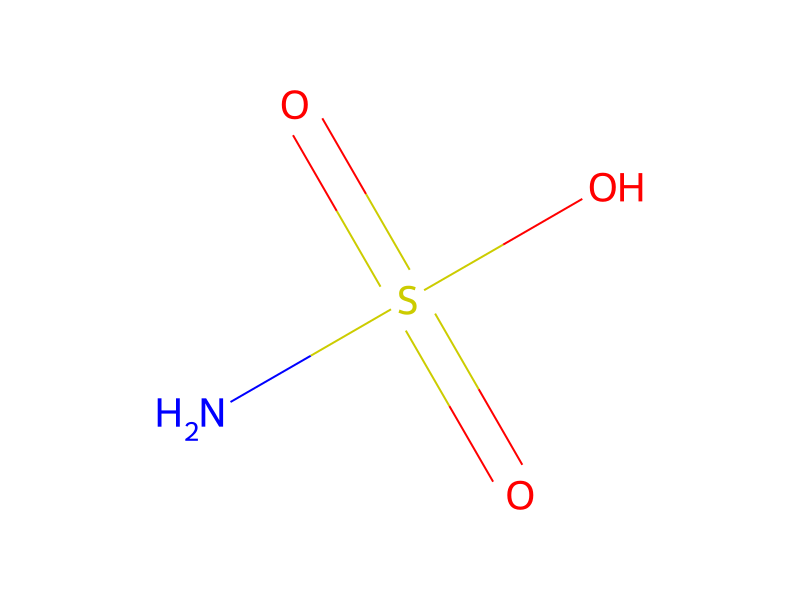
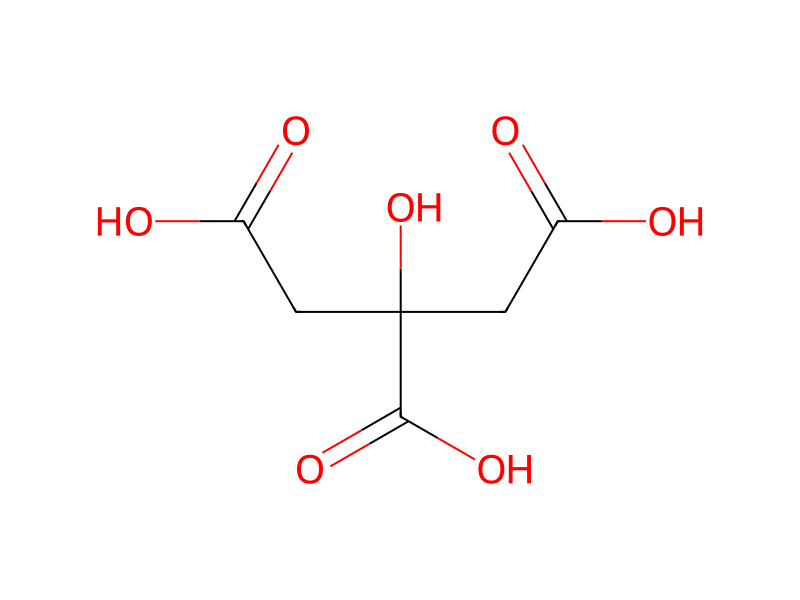
HCID 311Citric AcidHCID 1117Sulfate Ion2×HCID 5987Sulfamic AcidHCID 18746Nickel carbonate2×HCID 24385Nickel DichlorideHCID 24586Nickel SulfateHCID 177700Sulfamate ion2×
HCID 4063671Sodium bismuthate
HCID 5359967Indium3×
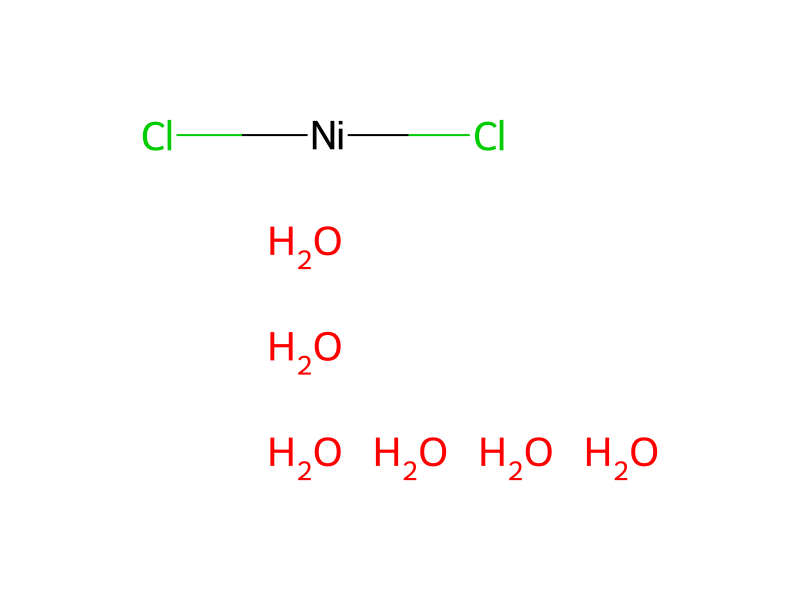
HCID 11791229Dichloronickel;hexahydrate

Produkt 2

HCID 131715775Nickel indium bismuth sulfateHCID 131715776Indium bismuth sulfamate

Reagenzien, Katalysatoren, Lösungsmittel 2

HCID 313Hydrochloric AcidLösungsmittelHCID 962WaterLösungsmittel2×

Reaktionsbedingungen

Temperatur
45 °C

Versuchsvorschrift

The nickel/indium/bismuth sulfate and inckel/indium/bismuth sulfamate plating baths were prepared similarly. Preparation of one liter of the sulfate and sulfamate formulations is outlined below. Citric acid (57 grams) is dissolved in 300 ml of deionized water heated to 45° C. Nickel carbonate (45 grams) is then dissolved in the solution. The pH of the bath at this point should be about 4.0. Nickel chloride (15 or 75 grams/liter of nickel chloride hexahydrate for the sulfate and sulfamate plating baths, respectively) and nickel sulfate (300 grams/liter of nickel sulfate hexahydrate or 350 grams/liter of nickel sulfamate hexahydrate) are then added. The solution is brought up to a volume of 1L by addition of deionized water and the pH of the bath is adjusted to 3.2 either with nickel carbonate or sulfuric/sulfamic acid. Indium metal is then added electrochemically. Indium metal (either strips or shot in an anode basket) is dissolved anodically at about 5 amps/dm2. The cathode current density should be greater than about 50 amps/dm2. Current is applied until the indium reaches the desired concentration, e.g. 2.5 grams/liter for the sulfate formulation and 5 grams/liter for the sulfamate bath. Bismuth in solution form is then added. Bismuth is added as an HCl solution prepared by dissolving sodium bismuthate in 20% HCl, precipitating a white solid by the addition of water, filtering and redissolving the solid in 20% HCl. The bismuth concentration is varied from 0.1-3.0 g/L metal in the sulfate system and from 0.2-2.0 g/L metal in the sulfamate system. The base formulation for the sulfate based Ni/In/Bismuth alloy electroplating bath is set forth the following Table I.

Aufarbeitung

  1. concentrationconcentration, e.g. 2.5 grams/liter for the sulfate formulation and 5 grams/liter for the sulfamate bath
  2. additionBismuth in solution form is then added
  3. additionBismuth is added as an HCl solution
  4. customprepared
  5. customprecipitating a white solid
  6. additionby the addition of water
  7. filtrationfiltering
  8. dissolutionredissolving the solid in 20% HCl
  9. concentrationThe bismuth concentration

Quellen und Nachweise

ORD-Eintrag
ord-6b9903181b934df78f11f46783f815fc
Quelldatensatz
uspto-grants-1988_11
DOI
10.6084/m9.figshare.5104873.v1
Patentnummer
US04785137

Notizen zur Reaktion

Wird geladen…

Auf dieser SeiteKomponentenReaktionsbedingungenVersuchsvorschriftAufarbeitungQuellen und NachweiseNotizen zur Reaktion