StartseiteMCPWorkbenchSkills
StartseiteWorkbenchBenachrichtigungenMein Bereich
llms.txt · MCP-AnleitungDatenschutz · Nutzungsbedingungen · Supportv1.8.3
  1. Startseite
  2. /Reaktion

Water → 2-(4-(3-Fluoro-4-trifluoromethoxyphenyl)-3,5-difluorophenyl)-5-pentylpyrimidine

HRID 2267980
Drucken

Reaktionsgleichung

Reaktionsgleichung von HRID 2267980
[F:1][C:2]1[CH:3]=[C:4]([C:9]2[N:14]=[CH:13][C:12]([CH2:15][CH2:16][CH2:17][CH2:18][CH3:19])=[CH:11][N:10]=2)[CH:5]=[C:6]([F:8])[CH:7]=1.C([Li])CCC.[F:25][C:26]1[CH:27]=[C:28](Br)[CH:29]=[CH:30][C:31]=1[O:32][C:33]([F:36])([F:35])[F:34].O>C1COCC1.CCCCCC.[Cl-].[Zn+2].[Cl-]>[F:25][C:26]1[CH:27]=[C:28]([C:7]2[C:2]([F:1])=[CH:3][C:4]([C:9]3[N:10]=[CH:11][C:12]([CH2:15][CH2:16][CH2:17][CH2:18][CH3:19])=[CH:13][N:14]=3)=[CH:5][C:6]=2[F:8])[CH:29]=[CH:30][C:31]=1[O:32][C:33]([F:34])([F:35])[F:36]
KomponentenReaktionsbedingungenVersuchsvorschriftAufarbeitungQuellen und NachweiseNotizen zur Reaktion

Komponenten

8

Edukt 4

HCID 962WaterHCID 27822174-Bromo-2-fluoro-1-(trifluoromethoxy)benzeneHCID 183482702-(3,5-Difluorophenyl)-5-pentylpyrimidineHCID 178418339Butyllithium

Produkt 1

HCID 183482692-(4-(3-Fluoro-4-trifluoromethoxyphenyl)-3,5-difluorophenyl)-5-pentylpyrimidineAusbeute 0,7 %

Reagenzien, Katalysatoren, Lösungsmittel

3
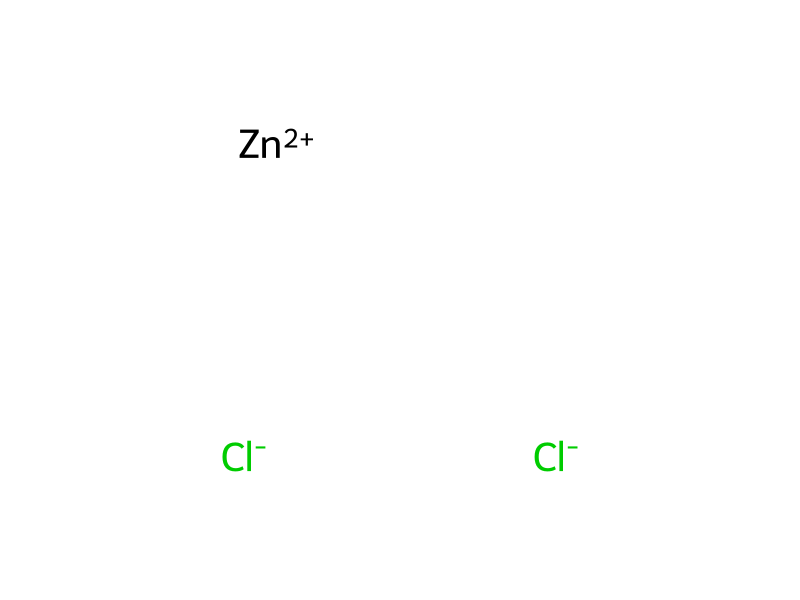
HCID 3007855SinkkikloridiKatalysatorHCID 8028TetrahydrofuranLösungsmittel2×HCID 8058HexaneLösungsmittel

Reaktionsbedingungen

Temperatur
-60 °C

Versuchsvorschrift

In 80 ml of THF was dissolved 8.0 g (30 mmol) of the 2-(3,5-difluorophenyl)-5-pentylpyrimidine described above, and cooled down to −60° C. under nitrogen gas atmosphere. To this solution was added dropwise 20 ml of 1.60 M solution of n-butyl lithium (32 mmol) in hexane while maintaining the condition that the temperature of the solution did not exceed −50° C., and then stirred at the same temperature for 1 hour. Subsequently, 64 ml of 0.5 M solution of zinc chloride (32 mmol) in THF was added dropwise to the reaction solution while maintaining the condition that the temperature of the solution did not exceed −50° C., warmed up to room temperature, and then stirred for 30 min. To this solution were added 0.5 g of tetrakistriphenylphosphine palladium and 8.3 g of 3-fluoro-4-trifluoromethoxybromobenzene, and heated to reflux for 3 hours. To the reaction solution was added 100 ml of water, and the product was extracted with toluene. The extract was washed with 3N-hydrochloric acid, saturated aqueous solution of sodium bicarbonate, and saturated aqueous solution of sodium chloride in turn, and dried over anhydrous magnesium sulfate. The solvent was distilled off. The residue was purified by silica gel column chromatography (eluent: heptane/toluene=1/1), and then recrystallized twice from heptane/ethyl acetate=1/1 to obtain 0.09 g (0.2 mmol) of 2-(4-(3-fluoro-4-trifluoromethoxyphenyl)-3,5-difluorophenyl)-5-pentylpyrimidine. Yield of this product from 2-(3,5-difluorophenyl)-5-pentylpyrimidine was 0.7%.


Aufarbeitung

  1. temperaturewhile maintaining the condition that the temperature of the solution
  2. customdid not exceed −50° C.
  3. temperaturewhile maintaining the condition that the temperature of the solution
  4. customdid not exceed −50° C.
  5. temperaturewarmed up to room temperature
  6. stirringstirred for 30 min
  7. temperatureheated
  8. temperatureto reflux for 3 hours
  9. extractionthe product was extracted with toluene
  10. washThe extract was washed with 3N-hydrochloric acid, saturated aqueous solution of sodium bicarbonate, and saturated aqueous solution of sodium chloride in turn
  11. dry with materialdried over anhydrous magnesium sulfate
  12. distillationThe solvent was distilled off
  13. customThe residue was purified by silica gel column chromatography (eluent: heptane/toluene=1/1)
  14. customrecrystallized twice from heptane/ethyl acetate=1/1

Quellen und Nachweise

ORD-Eintrag
ord-531f696051264f10b67af58c605b7855
Quelldatensatz
uspto-grants-2001_12
DOI
10.6084/m9.figshare.5104873.v1
Patentnummer
US06326065B1

Notizen zur Reaktion

Auf dieser SeiteKomponentenReaktionsbedingungenVersuchsvorschriftAufarbeitungQuellen und NachweiseNotizen zur Reaktion