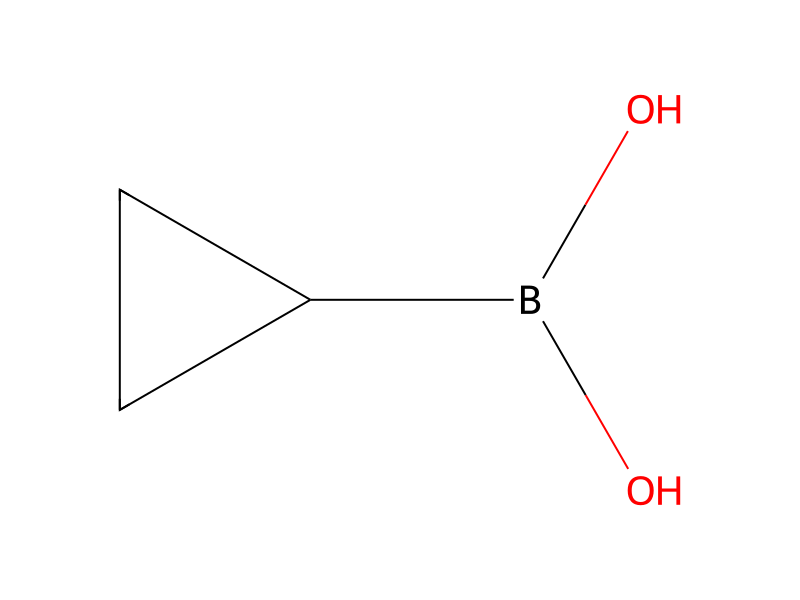
[Cl:1][C:2]1[S:6][C:5]([C:7]2[C:11]([C:12]3[CH:17]=[CH:16][N:15]=[CH:14][CH:13]=3)=[CH:10][NH:9][N:8]=2)=[CH:4][CH:3]=1.[CH:18]1(B(O)O)[CH2:20][CH2:19]1.C(=O)([O-])[O-].[Na+].[Na+].[Cl-].[NH4+]>ClC(Cl)C.C([O-])(=O)C.[Cu+2].C([O-])(=O)C.O>[CH:18]1([N:9]2[CH:10]=[C:11]([C:12]3[CH:17]=[CH:16][N:15]=[CH:14][CH:13]=3)[C:7]([C:5]3[S:6][C:2]([Cl:1])=[CH:3][CH:4]=3)=[N:8]2)[CH2:20][CH2:19]1To a suspension of 4-[3-(5-chloro-2-thienyl)-1H-pyrazol-4-yl]pyridine (0.57 mmol), cyclopropylboronic acid (1.14 mmol) and sodium carbonate (1.14 mmol) in 2 mL of dichloroethane, was added a suspension of copper acetate (0.57 mmol) and 2,2′-bipyridyn (0.57 mmol) in 4 mL of hot dichloroethane. The mixture was warmed up to 70° C. and stirred for 3 h under air. The resulting mixture was cooled to room temperature, and a saturated ammonium chloride solution was added, followed by water. The organic layer was separated, and the aqueous layer was extracted with dichloromethane. The combined organic layers were washed with brine, dried with MgSO4, and concentrated under reduced pressure. The residue was purified by chromatography on basic alumina (heptane/ethyl acetate 20:1 to 10:1) to afford 43 mg (24% yield) of 4-[1-cyclopropyl-3-(5-chloro-2-thienyl)-1H-pyrazol-4-yl]pyridine.
Wird geladen…