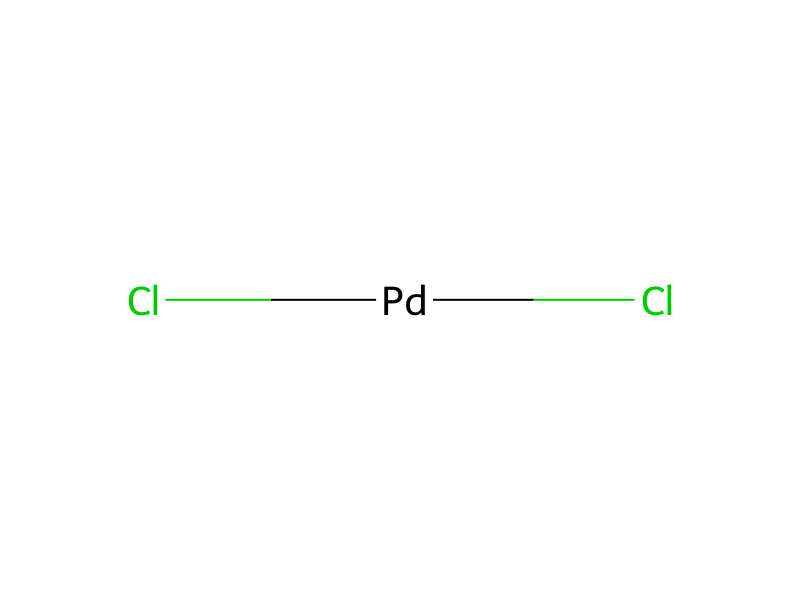
Br[C:2]1[CH:3]=[C:4]2[C:9](=[CH:10][CH:11]=1)[CH:8]=[N:7][CH:6]=[C:5]2[OH:12].C(N(C(C)C)CC)(C)C.C1(P(C2C=CC=CC=2)CCCP(C2C=CC=CC=2)C2C=CC=CC=2)C=CC=CC=1.[C:51]([O:54][CH2:55][CH3:56])(=[O:53])C.[CH3:57][Si:58](C)([CH3:62])[CH2:59]CO>CN(C)C=O.[Pd](Cl)Cl.CO>[OH:12][C:5]1[C:4]2[C:9](=[CH:10][CH:11]=[C:2]([C:51]([O:54][CH2:55][CH2:56][Si:58]([CH3:62])([CH3:59])[CH3:57])=[O:53])[CH:3]=2)[CH:8]=[N:7][CH:6]=16-Bromo-4-hydroxyisoquinoline (15.7 g, 70.0 mmol) produced in Example 15 (15a) was dissolved in dimethylformamide (100 mL), to which 2-trimethylsilylethanol (100 mL), diisopropylethylamine (27.1 g, 210 mmol), 1,3-bis(diphenylphosphino)propane (8.67 g, 21.0 mmol), and palladium chloride (3.72 g, 21.0 mmol) were then added, followed by stirring at 60° C. for eight hours under a carbon monoxide atmosphere. The solvent was distilled off under reduced pressure. Water was added to the residue thus obtained, and the resulting mixture was extracted with dichloromethane. The resulting organic layer was dried over anhydrous sodium sulfate and the solvent was distilled off under reduced pressure. The residue thus obtained was purified by silica gel column chromatography ((a mixed solvent of hexane:ethyl acetate-1:1):methanol, 100:0-70:30, V/V) to give the desired title compound (17.3 g, yield 85.4%).