StartseiteMCPSkillsWorkbenchOpenChem
StartseiteWorkbenchBenachrichtigungenMein Bereich
llms.txt · skill.md · MCP-AnleitungDatenschutz · Nutzungsbedingungen · Supportv1.8.5
  1. Startseite
  2. /Reaktion

Water → 2-Chloro-1-(5-chloro-3-phenyl-2,3-dihydro-1H-indol-1-yl)ethan-1-one

HRID 262294
Drucken

Reaktionsgleichung

[Cl:1][CH2:2][C:3]([N:5]1[C:13]2[C:8](=[CH:9][CH:10]=[CH:11][CH:12]=2)[CH:7]([C:14]2[CH:19]=[CH:18][CH:17]=[CH:16][CH:15]=2)[CH2:6]1)=[O:4].[Cl:20]Cl.O>C(O)(=O)C>[Cl:1][CH2:2][C:3]([N:5]1[C:13]2[C:8](=[CH:9][C:10]([Cl:20])=[CH:11][CH:12]=2)[CH:7]([C:14]2[CH:19]=[CH:18][CH:17]=[CH:16][CH:15]=2)[CH2:6]1)=[O:4]
KomponentenReaktionsbedingungenVersuchsvorschriftAufarbeitungQuellen und NachweiseNotizen zur Reaktion

Komponenten

5

Edukt 3

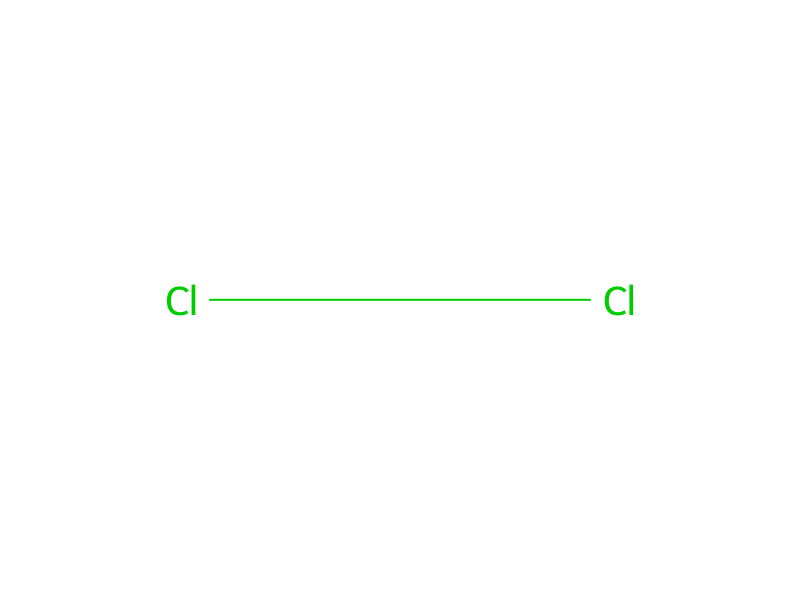
HCID 962WaterHCID 24526ChlorineHCID 213204582-Chloro-1-(3-phenyl-2,3-dihydro-1H-indol-1-yl)ethan-1-one

Produkt 1

HCID 213204742-Chloro-1-(5-chloro-3-phenyl-2,3-dihydro-1H-indol-1-yl)ethan-1-one

Reagenzien, Katalysatoren, Lösungsmittel 1

HCID 176Acetic AcidLösungsmittel

Reaktionsbedingungen

Temperatur
15 °C

Versuchsvorschrift

2.7 G of N-chloracetyl-3-phenylindoline was added with vigorous stirring to a solution of 0.77 g of chlorine in 10 ml of glacial acetic acid which had been cooled to 15° C. The temperature of the mixture which rose to 33° C. was cooled down to room temperature and the mixture stirred for a further hour. The resulting solution was poured into 100 ml of cold water. The liquid was decanted from the gummy residue, which was subsequently crystallized from ethanol to give 1.9 g of crystalline N-chloracetyl-3-phenyl-5-chloroindoline having a melting point of 107°-9° C.

Aufarbeitung

  1. customrose to 33° C.
  2. temperaturewas cooled down to room temperature
  3. customThe liquid was decanted from the gummy residue, which
  4. customwas subsequently crystallized from ethanol

Quellen und Nachweise

ORD-Eintrag
ord-5cdde8e2f88e4b48b055b916347a53d8
Quelldatensatz
uspto-grants-1979_05
DOI
10.6084/m9.figshare.5104873.v1
Patentnummer
US04153789

Notizen zur Reaktion

Auf dieser SeiteKomponentenReaktionsbedingungenVersuchsvorschriftAufarbeitungQuellen und NachweiseNotizen zur Reaktion