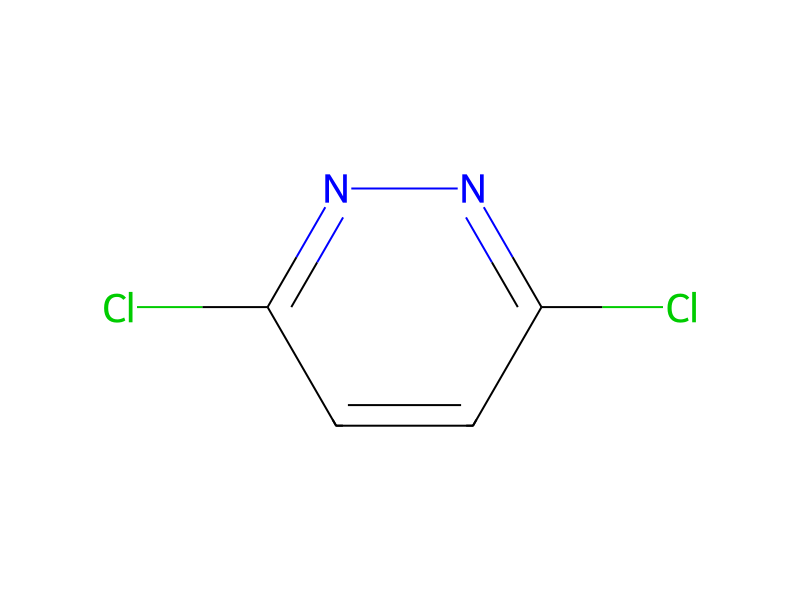
4-Hydroxyphenyl-N,N-dimethylurea (13.5 grams; 0.075 mole) was mixed with a solution of sodium methylate (1.73 grams; 0.075 mole sodium metal in 70 milliliters (ml) of methanol) and the resulting sodium salt solution of 4-hydroxyphenyl-N,N-dimethylurea was added portionwise over a period of about one hour to a solution of 3,6-dichloropyridazine (11.2 grams; 0.075 mole) in 50 ml. of dimethylsulfoxide. During the addition and for a period of about one hour following the completion of the addition, the reaction mixture temperature was maintained between about 90° and about 95°C. Following the reaction period, the methanol was removed from the reaction mixture by evaporation and the reaction mixture extracted with methylene chloride. The methylene chloride extract was evaporated in vacuo and the waxy residue obtained dissolved in hot toluene. The resulting solution was treated with activated charcoal, cooled and hexane added thereto. The solid yellow crystalline material formed upon addition of the hexane was recovered by filtration and recrystallized from acetonitrile. As a result of these operations, the desired title compound was obtained as a white crystalline material having a melting point of 173°-174°C.