Reaktionsgleichung

[C:1]([NH2:9])(=[O:8])[C:2]1[CH:7]=[CH:6][CH:5]=[N:4][CH:3]=1.[C:10]([O-:18])(=[O:17])[C:11]1[CH:16]=[CH:15][CH:14]=[N:13][CH:12]=1.[Na+].C(C1C=NC=CC=1)#N.[Na].C=CC1C=CC=CC=1.C(C1C=CC=CC=1C=C)=C.CNC>O>[C:10]([O-:18])(=[O:17])[C:11]1[CH:16]=[CH:15][CH:14]=[N:13][CH:12]=1.[C:10]([OH:18])(=[O:17])[C:11]1[CH:16]=[CH:15][CH:14]=[N:13][CH:12]=1.[C:1]([NH2:9])(=[O:8])[C:2]1[CH:7]=[CH:6][CH:5]=[N:4][CH:3]=1Komponenten
Edukt 7





Produkt 3


Reagenzien, Katalysatoren, Lösungsmittel 1

Versuchsvorschrift
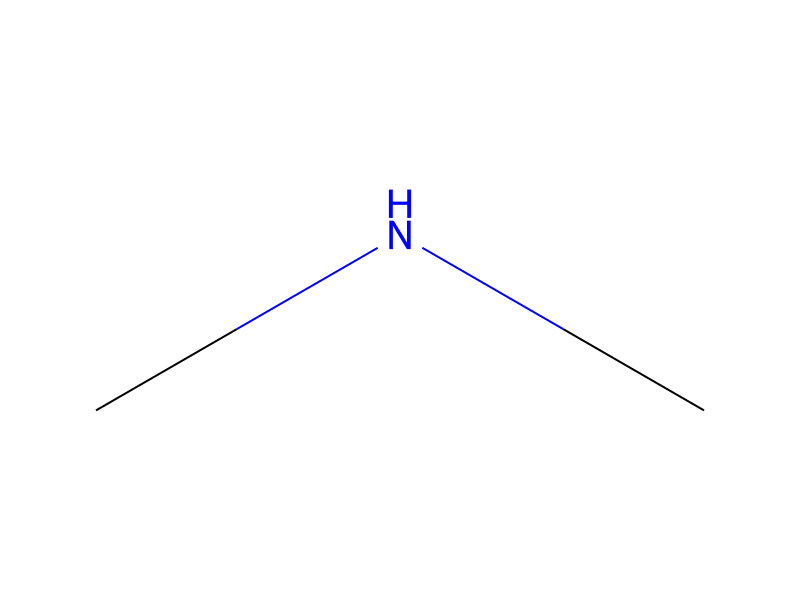
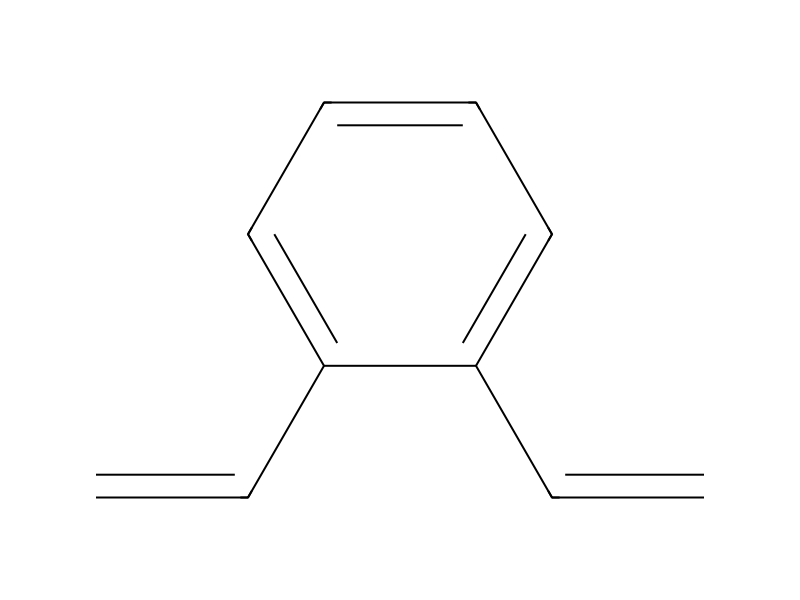
In this Example a USP grade nicotinamide product was recovered from a crude nicotinamide product medium. The crude contained 39.7% nicotinamide, 2.15% sodium nicotinate and 0.14% 3-cyanopyridine. These and all other percentages given in this Example are percentages by weight unless indicated otherwise. The total sodium content of the medium was 0.38%. On a dry basis, the reaction crude contained 93.7% nicotinamide, 5.07% sodium nicotinate, 0.33% 3-cyanopyridine, and 0.9% total sodium. Cation and weak base resins were utilized in the recovery process. The cation exchange resin was Dowex Marathon C, a sulfonated copolymer of styrene and divinylbenzene (gel form). The weak base resin was Dowex Marathon WBA, a dimethylamine-functionalized chloromethylated copolymer of styrene and divinylbenzene (macroporous form with a monodisperse size distribution). After washing with deionized water, these resins were loaded into columns each having an inner diameter of 15 mm and a height of 30 cm, leaving about 1.5 inches head space at the top of the columns. The reaction crude was then successively treated over the cation-exchange resin (at 28 ml/min), the weak base resin (20 ml/min), the cation-exchange resin (28 ml/min), and the weak base resin (20 ml/min). The cation-exchange resin was regenerated after every ten bed volumes of reaction crude, by a cycle that included a water wash (20 ml/min, 1.25 bed volumes), a 12% sulfuric acid strip (7 ml/min, 1 bed volume), and another water wash (20 ml/min, 1.25 bed volumes). The weak base resin was regenerated after every five bed volumes of reaction crude, by a cycle including a water wash (20 ml/min, 1.6 bed volumes), a 4% sodium hydroxide strip (20 ml/min, 1 bed volume), and another water wash (2.6 bed volumes). The feeds were analyzed by HPLC after the first pass cation-exchange and weak base, and second pass cation-exchange and weak base. Typical results from such experiments are presented in Table 1 below, top. The lower section of Table 1 gives a typical product analysis on a water free basis. The extreme right hand column of Table 1 sets out the results of an analysis of the product after recovery by evaporation (no crystallization performed). As can be seen, this processing reduced the 0.9% initial sodium to an undetectable level, and the initial 5.07% nicotinate to 0.13% (as nicotinic acid) on a dry weight basis, providing a USP grade nicotinamide.
Aufarbeitung
- customOn a dry basis, the reaction crude
- washAfter washing with deionized water
- customa height of 30 cm, leaving about 1.5 inches
- customThe reaction crude
- additionwas then successively treated over the cation-exchange resin (at 28 ml/min)
- customafter every ten bed volumes of reaction crude
- washwash (20 ml/min, 1.25 bed volumes)
- washa 12% sulfuric acid strip (7 ml/min, 1 bed volume), and another water wash (20 ml/min, 1.25 bed volumes)
- customafter every five bed volumes of reaction crude
- washwash (20 ml/min, 1.6 bed volumes)
- washa 4% sodium hydroxide strip (20 ml/min, 1 bed volume), and another water wash (2.6 bed volumes)
- customTypical results from such experiments
- customresults of an analysis of the product after recovery
- customby evaporation (
- customno crystallization
Quellen und Nachweise
- ORD-Eintrag
- ord-1eab9a573ee74171b5e5dd13981a3d81
- Quelldatensatz
- uspto-grants-2001_04
- Patentnummer
- US06218543B1
Verknüpfte Notizen
Wird geladen…