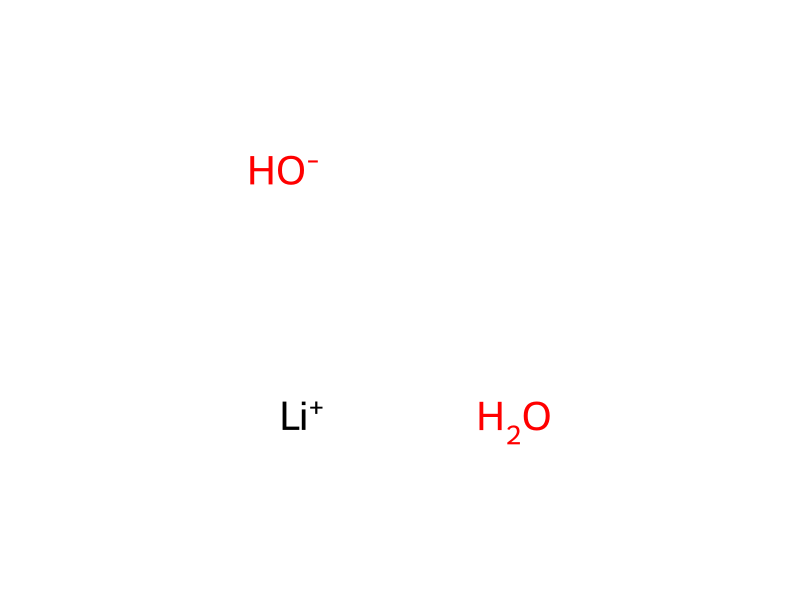
O.[OH-].[Li+].[NH:4]1[CH:8]=[C:7]([CH2:9][NH:10][C:11](=[O:27])[NH:12][C@@H:13]([CH2:18][C:19]2[CH:24]=[CH:23][C:22]([O:25][CH3:26])=[CH:21][CH:20]=2)[C:14]([O:16]C)=[O:15])[N:6]=[CH:5]1.C(O)(=O)C>O1CCCC1.O>[NH:4]1[CH:8]=[C:7]([CH2:9][NH:10][C:11](=[O:27])[NH:12][CH:13]([CH2:18][C:19]2[CH:20]=[CH:21][C:22]([O:25][CH3:26])=[CH:23][CH:24]=2)[C:14]([OH:16])=[O:15])[N:6]=[CH:5]1351 mg (84 mmol) of lithium hydroxide monohydrate are added to a solution of 278 mg (8.4 mmol) of methyl(S)-2-[3-(1H-imidazol-4-ylmethyl)ureido]-3-(4-methoxy-phenyl)propanoate in 5 mL of tetrahydrofuran and 1 mL of water. The reaction mixture is heated for 10 minutes at 100° C. in a microwave reactor. The reaction is stopped by adding 2 mL of water and 0.5 mL of acetic acid and is then extracted with ethyl acetate. The aqueous phase is concentrated to dryness and the residue is then chromatographed on silica gel (eluent: 7/3 dichloromethane/methanol). 261 mg of 2-[3-(1H-imidazol-4-ylmethyl)ureido]-3-(4-methoxyphenyl)propionic acid in the form of a white foam are obtained in a yield of 98%.