StartseiteMCPWorkbenchSkills
StartseiteWorkbenchBenachrichtigungenMein Bereich
llms.txt · MCP-AnleitungDatenschutz · Nutzungsbedingungen · Supportv1.8.3
  1. Startseite
  2. /Reaktion

Water → 5-Propyl-2-(4-(4-chlorophenyl)-3,5-difluorophenyl)-1,3-dioxane

HRID 342329
Drucken

Reaktionsgleichung

Reaktionsgleichung von HRID 342329
[CH2:1]([CH:4]1[CH2:9][O:8][CH:7]([C:10]2[CH:15]=[C:14]([F:16])[CH:13]=[C:12]([F:17])[CH:11]=2)[O:6][CH2:5]1)[CH2:2][CH3:3].C([Li])CCC.Br[C:24]1[CH:29]=[CH:28][C:27]([Cl:30])=[CH:26][CH:25]=1.O>C1COCC1.CCCCCC.[Cl-].[Zn+2].[Cl-]>[CH2:1]([CH:4]1[CH2:5][O:6][CH:7]([C:10]2[CH:15]=[C:14]([F:16])[C:13]([C:24]3[CH:29]=[CH:28][C:27]([Cl:30])=[CH:26][CH:25]=3)=[C:12]([F:17])[CH:11]=2)[O:8][CH2:9]1)[CH2:2][CH3:3]
KomponentenReaktionsbedingungenVersuchsvorschriftAufarbeitungQuellen und NachweiseNotizen zur Reaktion

Komponenten

8

Edukt 4

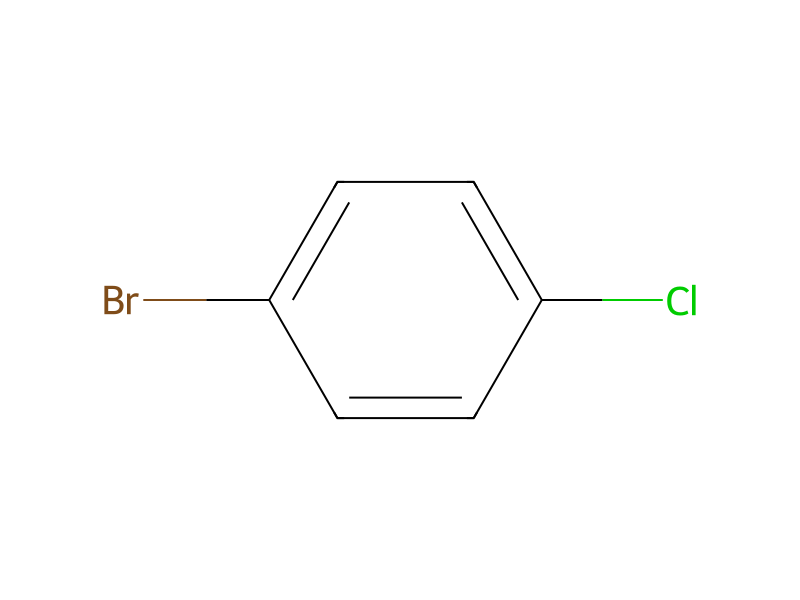
HCID 962WaterHCID 7806p-BromochlorobenzeneHCID 219971532-(3,5-Difluorophenyl)-5-propyl-1,3-dioxaneHCID 178418339Butyllithium

Produkt 1

HCID 544715685-Propyl-2-(4-(4-chlorophenyl)-3,5-difluorophenyl)-1,3-dioxaneAusbeute 56,3 %

Reagenzien, Katalysatoren, Lösungsmittel 3

HCID 3007855
Sinkkikloridi
Katalysator
HCID 8028TetrahydrofuranLösungsmittel2×
HCID 8058HexaneLösungsmittel

Reaktionsbedingungen

Temperatur
-60 °C

Versuchsvorschrift

5-Propyl-2-(3,5-difluorophenyl)-1,3-dioxane (5.0 g; 20.6 mmol), which had been synthesized in Step 1 of Example 1, was dissolved in THF (50 ml), and the solution was cooled to -60° C. in a nitrogen atmosphere. A solution (16.1 ml; 25.8 mmol) of 1.60M n-butyl lithium in hexane was added dropwise thereto so that the temperature of the mixture did not exceed -55° C. The mixture was stirred for 50 minutes with the temperature being maintained below -55° C. Subsequently, a solution (51.6 ml; 25.8 mmol) of 0.5M zinc chloride in THF was added dropwise so that the temperature of the mixture did not exceed -50° C. Thereafter, the mixture was warmed to room temperature and stirred for 30 minutes. Tetrakistriphenylphosphine palladium (0.5 g) and 1-bromo-4-chlorobenzene (4.94 g; 25.8 mmol) were added, and the mixture was refluxed for 3 hours. Water (100 ml) was added to the resultant reaction mixture, and the material produced was extracted with toluene. The extract was sequentially washed with saturated ammonium chloride solution, saturated sodium bicarbonate solution and saturated brine and dried over magnesium sulfate. Subsequently, the solvent was evaporated. The residue was purified by column chromatography (eluent: toluene). The solvent was evaporated, and the residue was recrystallized twice from heptane, to thereby obtain 4.10 g (11.6 mmol) of 5-propyl-2-(4-(4-chlorophenyl)-3,5-difluorophenyl)-1,3-dioxane. The yield of this compound from 5-propyl-2-(3,5-difluorophenyl)-1,3-dioxane was 56.3%.


Aufarbeitung

  1. customdid not exceed -55° C
  2. temperaturebeing maintained below -55° C
  3. customdid not exceed -50° C
  4. temperatureThereafter, the mixture was warmed to room temperature
  5. stirringstirred for 30 minutes
  6. temperaturethe mixture was refluxed for 3 hours
  7. customreaction mixture
  8. customthe material produced
  9. extractionwas extracted with toluene
  10. washThe extract was sequentially washed with saturated ammonium chloride solution, saturated sodium bicarbonate solution and saturated brine
  11. dry with materialdried over magnesium sulfate
  12. customSubsequently, the solvent was evaporated
  13. customThe residue was purified by column chromatography (eluent: toluene)
  14. customThe solvent was evaporated
  15. customthe residue was recrystallized twice from heptane

Quellen und Nachweise

ORD-Eintrag
ord-ce3499d974cd4ddf9258fc4dcd1b8457
Quelldatensatz
uspto-grants-1999_01
DOI
10.6084/m9.figshare.5104873.v1
Patentnummer
US05858272

Notizen zur Reaktion

Auf dieser SeiteKomponentenReaktionsbedingungenVersuchsvorschriftAufarbeitungQuellen und NachweiseNotizen zur Reaktion