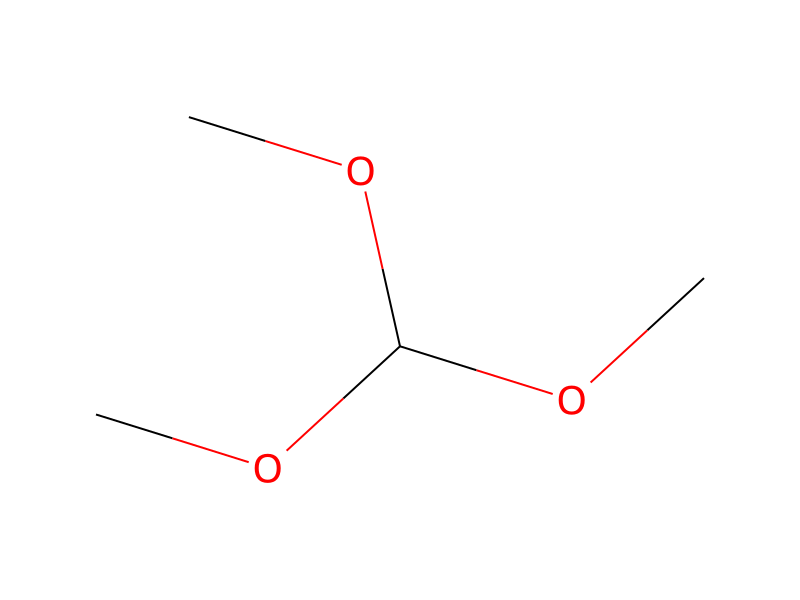
[NH:1]1[CH:5]=[CH:4][N:3]=[C:2]1[CH2:6][NH:7][CH2:8][C:9]1[CH:28]=[CH:27][CH:26]=[CH:25][C:10]=1C(NCCCCN(CCC)CCC)=O.C([O:34][CH3:35])(OC)OC.[CH3:36][C:37]1[N:38]=[CH:39][NH:40][C:41]=1[CH:42]=O.[C:44]([BH3-])#[N:45].[Na+].[C:48](O)(=O)[CH3:49]>CO>[CH2:26]([N:45]([CH2:44][CH2:48][CH3:49])[CH2:25][CH2:10][CH2:9][CH2:8][NH:7][C:35](=[O:34])[C:26]1[CH:25]=[CH:10][C:9]([CH2:8][N:7]([CH2:6][C:2]2[NH:1][CH:5]=[CH:4][N:3]=2)[CH2:36][C:37]2[NH:38][CH:39]=[N:40][C:41]=2[CH3:42])=[CH:28][CH:27]=1)[CH2:27][CH3:28]The compound (53.8 mg) obtained in Example 1-4 was dissolved in methanol (0.8 ml). Then, the solution was added with trimethyl orthoformate (50 μl), acetic acid (50 μl), and 4-methyl-5-imidazole carboxaldehyde (manufactured by Aldrich Corporation) (28.5 mg) and stirred at room temperature for 10 minutes. Subsequently, sodium cyanoborohydride (24.4 mg) was added, followed by stirring overnight at room temperature. The solvent was distilled off under reduced pressure and then the residue was dissolved in chloroform, followed by washing with 1 mol/l sodium hydroxide and saturated saline solution and drying with anhydrous sodium sulfate. After filtration, the solvent was distilled off under reduced pressure and the residue was then purified through silica gel column chromatography (chloroform/methanol) and then treated with hydrochloric acid, thereby obtaining hydrochloride (33.5 mg) of the subject compound as a white solid.