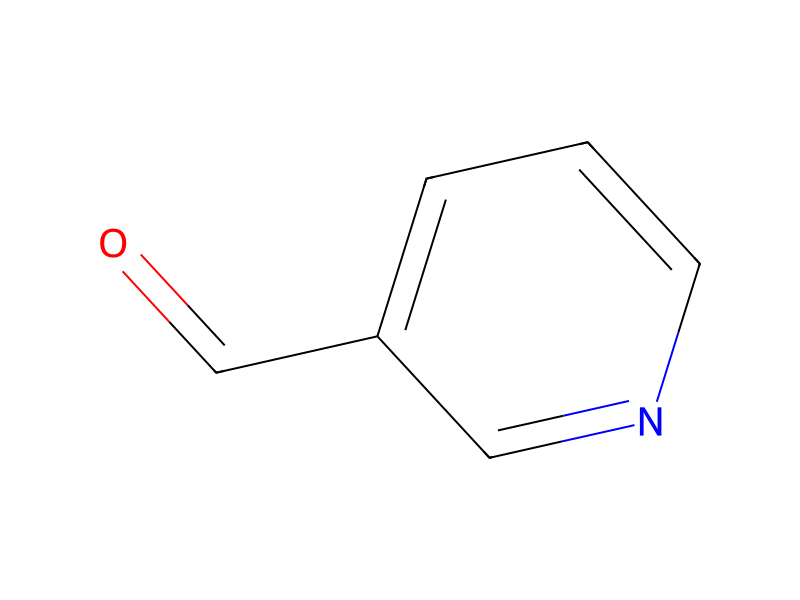
Cl.[CH3:2][O:3][C:4](=[O:11])[C@@H:5]([CH2:7][CH:8]([CH3:10])[CH3:9])[NH2:6].C([O-])(=O)C.[Na+].[N:17]1[CH:22]=[CH:21][CH:20]=[C:19]([CH:23]=O)[CH:18]=1.C([BH3-])#N.[Na+]>CO>[CH3:2][O:3][C:4](=[O:11])[C@@H:5]([CH2:7][CH:8]([CH3:10])[CH3:9])[NH:6][CH2:23][C:19]1[CH:18]=[N:17][CH:22]=[CH:21][CH:20]=1D-Leucine methyl ester hydrochloride (20 g, 110.43 mmol) is dissolved in methanol. To this is added sodium acetate (22.64 g, 276 mmol) followed by 3-pyridine carboxaldehyde (10.9 mL, 115.5 mmol). The mixture is allowed to stir at room temperature for 15 minutes and then sodium cyanoborohydride (4.15 g, 66 mmol) is added slowly over 15 minutes. After stirring for 16 hours at room temperature methanol is evaporated under reduced pressure and the resulting oil is taken up in ethyl acetate and washed with water (2×). The organics are dried over sodium sulfate and concentrated to an oil. The product is purified by silica gel flash chromatography (100% ethyl acetate) to give N-(3-picolyl) D-leucine methyl ester as an oil.