StartseiteMCPWorkbenchSkills
StartseiteWorkbenchBenachrichtigungenMein Bereich
llms.txt · MCP-AnleitungDatenschutz · Nutzungsbedingungen · Supportv1.8.0
  1. Startseite
  2. /Reaktion

Diisopropylamine → 2-(4-Bromo-phenyl)-3-cyclopentyl-propionic acid

HRID 398406
Notizen
Druckvorschau

Reaktionsgleichung

Reaktionsgleichung von HRID 398406
C(NC(C)C)(C)C.C([Li])CCC.[Br:13][C:14]1[CH:19]=[CH:18][C:17]([CH2:20][C:21]([OH:23])=[O:22])=[CH:16][CH:15]=1.I[CH2:25][CH:26]1[CH2:30][CH2:29][CH2:28][CH2:27]1>O1CCCC1.CN1CCCN(C)C1=O>[Br:13][C:14]1[CH:15]=[CH:16][C:17]([CH:20]([CH2:25][CH:26]2[CH2:30][CH2:29][CH2:28][CH2:27]2)[C:21]([OH:23])=[O:22])=[CH:18][CH:19]=1
KomponentenReaktionsbedingungenVersuchsvorschriftAufarbeitungQuellen und NachweiseNotizen zur Reaktion

Komponenten

7

Edukt 4

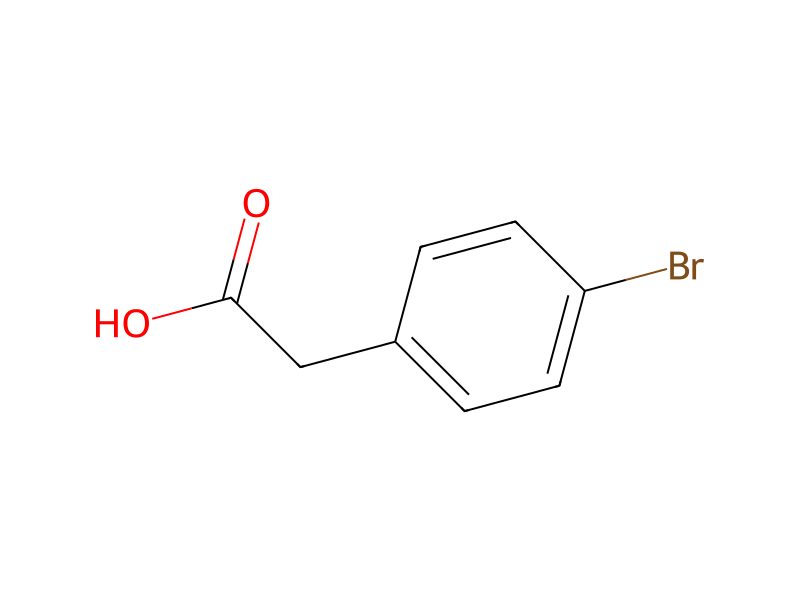
HCID 7912DiisopropylamineHCID 74654Benzeneacetic acid, 4-bromo-HCID 2762531(Iodomethyl)cyclopentaneHCID 178418339Butyllithium

Produkt 1

HCID 223150942-(4-Bromo-phenyl)-3-cyclopentyl-propionic acidAusbeute 50 %

Reagenzien, Katalysatoren, Lösungsmittel 2

HCID 8028
Tetrahydrofuran
Lösungsmittel
3×
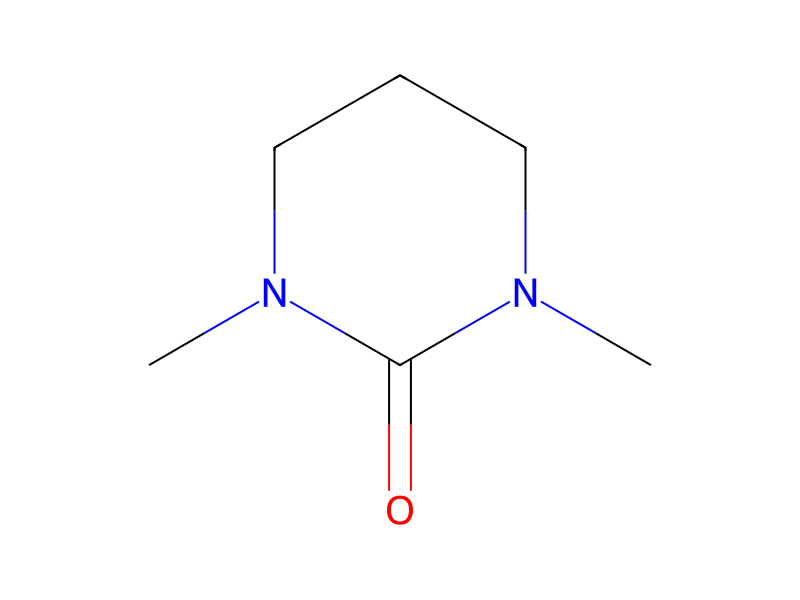
HCID 816462(1H)-Pyrimidinone, tetrahydro-1,3-dimethyl-Lösungsmittel2×

Reaktionsbedingungen

Temperatur
-78 °C

Versuchsvorschrift

A solution of diisopropylamine (7.7 mL, 54.88 mmol) in dry tetrahydrofuran (23 mL) and 1,3-dimethyl-3,4,5,6-tetrahydro-2(1H)-pyrimidinone (10 mL) was cooled to −78° C. under nitrogen and then treated with a 2.5M solution of n-butyllithium in hexanes (22.0 mL, 54.88 mmol). The resulting reaction mixture was stirred at −78° C. for 30 min and then treated dropwise with a solution of 4-bromophenylacetic acid (5.62 g, 26.13 mmol) in dry tetrahydrofuran (23 mL) and 1,3-dimethyl-3,4,5,6-tetrahydro-2(1H)-pyrimidinone (10 mL). The reaction mixture turned dark in color and was allowed to stir at −78° C. for 1 h, at which time, a solution of iodomethylcyclopentane (5.76 g, 27.44 mmol) in a small amount of dry tetrahydrofuran was added dropwise. The reaction mixture was allowed to warm to 25° C. where it was stirred for 24 h. The reaction mixture was quenched with water and then concentrated in vacuo to remove tetrahydrofuran. The aqueous residue was acidified using a 10% aqueous hydrochloric acid solution. The resulting aqueous layer was extracted with ethyl acetate (2×100 mL). The combined organic extracts were dried over sodium sulfate, filtered, and concentrated in vacuo. Flash chromatography (Merck Silica gel 60, 230-400 mesh, 3/1 hexanes/ethyl acetate) afforded 2-(4-bromo-phenyl)-3-cyclopentyl-propionic acid (3.88 g, 50%) as a light yellow solid: mp 91-93° C.; EI-HRMS m/e calcd for C14H17BrO2 (M+) 296.0412, found 296.0417.


Aufarbeitung

  1. customThe resulting reaction mixture
  2. stirringto stir at −78° C. for 1 h, at which time
  3. temperatureto warm to 25° C. where it
  4. stirringwas stirred for 24 h
  5. customThe reaction mixture was quenched with water
  6. concentrationconcentrated in vacuo
  7. customto remove tetrahydrofuran
  8. extractionThe resulting aqueous layer was extracted with ethyl acetate (2×100 mL)
  9. dry with materialThe combined organic extracts were dried over sodium sulfate
  10. filtrationfiltered
  11. concentrationconcentrated in vacuo

Quellen und Nachweise

ORD-Eintrag
ord-0d87117c619346979acd559a71b78d11
Quelldatensatz
uspto-grants-2003_08
DOI
10.6084/m9.figshare.5104873.v1
Patentnummer
US06610846B1

Notizen zur Reaktion

Wird geladen…

Auf dieser SeiteKomponentenReaktionsbedingungenVersuchsvorschriftAufarbeitungQuellen und NachweiseNotizen zur Reaktion